
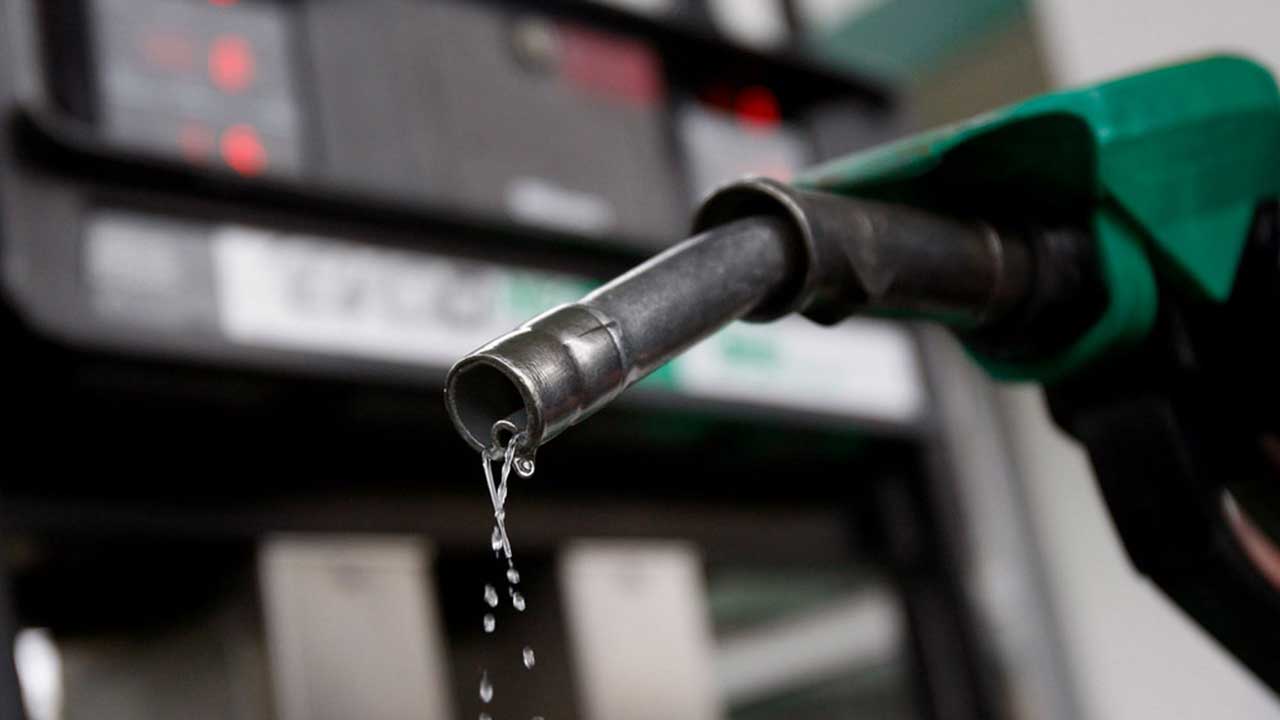

PETROLEUM products with high sulphur content are still been imported by Nigerians as the ban imposed on the importation of such fuels by the Federal Government, more than four years ago, has not been enforced.
This was disclosed by an international resource watchdog group, Stakeholder Democracy Network (SDN), in a recent report, which stated that researchers had found fuel imported from Europe being pumped into filling stations in Nigeria were extremely toxic.
Most of the petroleum products consumed in the country are imported with sulphur content as high as 1,000 parts per million for petrol and 3,000ppm for diesel.
On December 1, 2016 in Abuja, Nigeria, Benin, Togo, Ghana, and Cote d’Ivoire agreed to ban the importation of Europe’s dirty fuels, limiting sulphur in fuels from 3,000 parts per million to 50 ppm.
But the enforcement of the ban failed to come into effect on July 1, 2017 in Nigeria as announced in December 2016 by the then Minister of Environment, Amina Mohammed.
SDN found that such fuel extremely exceeded the European Union pollution limits.
The SDP’s Programme Manager, Florence Kayemba, said, “Our research suggests that Nigeria is having dirty fuel dumped on it that cannot be sold to other countries with higher and better implemented standards.
“The situation is so bad that the average diesels sampled are of even lower quality than that produced by artisanal refining camps in the creeks of the Niger Delta.”
According to the SDN, 114,000 people are estimated to be dying prematurely from air pollution each year in Nigeria.
The SDN report reinforced the Public Eye investigation and a Dutch government report that European refineries and commodity brokers were blending crude oil with benzene and other carcinogenic chemicals producing fuels hundreds of times over European pollution limits for the weakly-regulated African market.
This was said to be causing significant particulate pollution, damage to vehicles and adverse health effects for the people.
A new survey by some university researchers has established a link between poor academics in childhood and air pollution exposure.
The research report of the Columbia Center for Children’s Environmental Health published in the journal of Science Daily claimed that children exposed to elevated levels of air pollution are more likely to have poor inhibitory control during late childhood and poor academic skills in early adolescence, including spelling, reading comprehension and math skills.
According to the report, road transport is a major contributor to greenhouse gases and air pollution in developing countries.
The Director of the Clean Air Project, John Walke, was quoted as saying that, “Most air pollution comes from energy use and production… Burning fossil fuels releases gases and chemicals into the air.”
Global Alliance on Heath and Pollution, in a report, ranks Nigeria third in the world for pollution-related deaths and sixth in premature deaths caused by air pollution.
The United Nations Environment Programme said, in December 2016, that the move to ban dirty fuel imports by Nigeria and others would dramatically reduce vehicle emissions and help more than 250 million people to breathe safer and cleaner air.

