
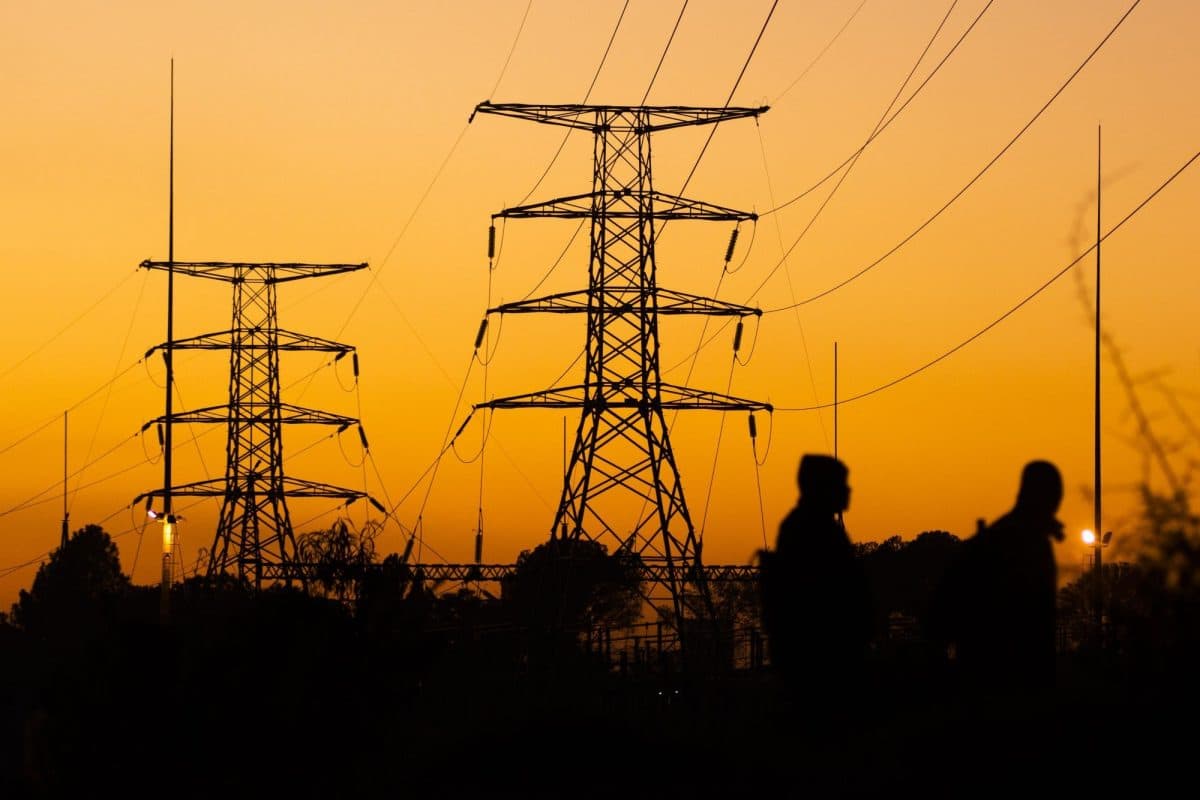

ALTHOUGH the action was called off almost immediately, the strike by the Electricity Workers Union in August this year is one action that should not have been contemplated in the first place given the critical importance of electricity to both the people and the economy.
The fact that the action attracted massive nation-wide condemnation at a time citizens are sentimentally aligned with those protesting against government’s delivery record was a clear signal that it was not auspicious and therefore not welcome. It happened because a critical sector of that nature should not attempt an action that would increase the suffering of the already traumatised people.
It was, because it had instant negative impact on everyone. Electricity supply is an essential service and should not be used as a tool of blackmail to hold consumers to ransom. The reaction that followed the disruption was an instant disapproval by the public, irrespective of the trigger.
On Wednesday, August 17, the National Union of Electricity Workers in Nigeria threw the country into darkness and the development lasted for almost one day, amidst condemnation from across all sectors. The major demands pushed by the workers, for which they embarked on the action included compulsory promotion interview for principal managers and unpaid entitlement. Power generation crashed below 4,000 megawatts and businesses were crippled across the country.
Unfortunately, Nigeria has been struggling with poor electricity output for decades, suffering intermittent grid failures. Output has been hovering around 4,000 megawatts. Government’s promise of increased output up to 5000 megawatts by July this year did not materialise, as it blamed gas supply problems.
The strike by the electricity workers union worsened an already terrible situation, but Federal Government in the night of the same Wednesday announced the suspension of the action by the workers. It had earlier announced the shutting down of the national power grid by officials of the two in-house unions at the Transmission Company of Nigeria even while efforts were still being made to resolve the issues that triggered the action.
Several 330kV transmission lines and 33kV feeder-lines across the power network were switched off by the union members, a development which resulted in generation-load imbalance and multiple voltage escalations at critical stations and substations.
Worst still, the action came just as the country was emerging from a hectic grid management regime, which drastically reduced generation output for a couple of months.
Following the action, the Federal Government had set up a committee led by the Minister of State for Power, Jeddy Agba, to reconcile the issues raised by the union. Both agreed to form a bipartite committee to look into the complaints and report back in two weeks.
Union officials had threatened that if their demands were not addressed within the two weeks, it would order a resumption of the action. Both the initial action and the threat drew the ire of members of the public, some of whom called for the immediate arrest and trial of the union officials as their action was viewed as being in bad faith.
In today’s world, electricity is no longer a luxury; it is a necessity. It is a vital part of human existence. It impacts the economy and well-being of the people. It impacts the health, manufacturing, tourism, hospitality, aviation, ICT, processing and banking sectors, among others. Because of its implications, shutting down electricity in a country should only be contemplated as a final resort; not because of resolvable disagreements between sector workers and their management.
Switching off the national grid in a country where electricity, at the best of times, is not stable is like passing a death sentence on the people and the country’s economy. It could, and do actually, lead to loss of lives, crashing of businesses and dragging everything to a standstill. That action by the electricity workers union was indeed seen in many quarters as deliberate sabotage of the country’s economy, particularly given the arbitrary manner in which the action was executed.
Yes, we understand that workers have a right to bargain, but they need to exhaust all the avenues of collective bargaining and look at the consequences of their action before embarking on it. Switching off electricity and throwing the nation into darkness is a no, no! It constitutes a national security threat.
There was a unanimous condemnation of the August 17 action; and it ought to be so condemned. This is without denying the electricity workers their right to protest or pursue collective bargaining. It is within their right to protest bad treatment or denial; however, the consequences of a sudden action without exhausting the options of collective bargaining could be detrimental.
It is also necessary to admonish managers of such critical sectors not to allow situations to degenerate into dire circumstances before they act. It is fast becoming the norm that unless workers take to the streets or are up in arms, their demands are not looked into by the relevant authorities. The cost of addressing the issues after unpalatable actions have been taken is usually higher than if pro-active measures were taken earlier.
Some of these unpleasant and sometimes untoward actions could be nipped in the bud if they are promptly attended to. Pushing aggrieved workers into embarking on negative actions in an already fragile economy amounts to not just insensitivity but a grave act of irresponsibility and it must not happen again.
Electricity is too important to the people and must not be trifled with under any guise or excuse.

