


What to Know About Leukemia is a useful guide to cancer of the blood-forming system found in the bone marrow. The bone marrow is the soft inner part of your bones. So, leukemia occurs when your body begins to accumulate apparently abnormal blood cells, replacing your normal white and red blood cells and platelets. What to know about leukemia details information about symptoms, causes, types, stages, diagnosis, treatment, prevention, and much more. The good news: leukemia is no longer a death sentence. You can manage or prevent it.
Symptoms
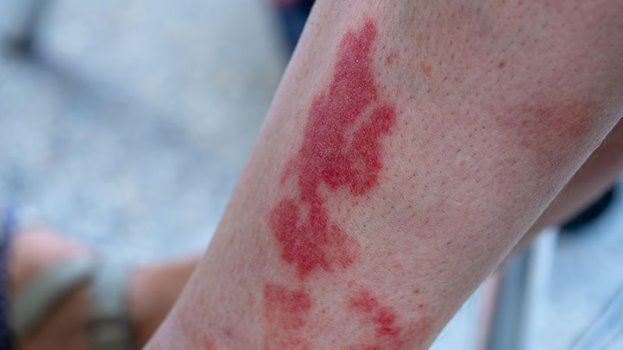
The symptoms of leukemia are typical of many other diseases and in some types of leukemia, there is no evidence the disease is present until it reaches an advanced stage.
If you have leukemia, you may experience many of the symptoms often associated with certain types of blood cell shortage. Such as anemia, fatigue, tiredness and breathlessness, pale skin coloring, repeated infections, red skin blotches, bruising, nosebleeds, and other bleedings.
You may also lose weight for no reason, and your joints and bones might hurt. Similarly, cancer cells may cause swelling in your lymph nodes, spleen, and liver. And if this happens in your brain, you could have headaches, confusion, and seizures.
Causes of Leukaemia

The cause of leukemia is not known for definite, but there are several factors, which seem to affect its development. Having one or more of the factors mentioned below does not mean that you will definitely develop leukemia, but if you are concerned you should talk to your doctor.
Genetic Factors

Children with Down’s syndrome have an increased risk of developing acute leukemia, as do children with some other rare chromosomal abnormalities. Genetic factors rarely play a role in the development of chronic leukemia.
Radiation

Leukemia occurs at higher than average rates in an area exposed to intense radiation e.g. atomic bomb victims. Or you have received it for the treatment of certain medical conditions in the past. For example, radiotherapy for another cancer has a greater risk of developing acute leukemia than people in general. It is important to remember that this risk is small compared to the risk to your health if your original cancer had not been treated with radiotherapy.
Chemicals

Your risk of developing acute leukemia increases when exposed to benzene. Some types of cytotoxic drugs used in organ transplant patients and cancer treatments also increase your risk of developing leukemia.
Viruses
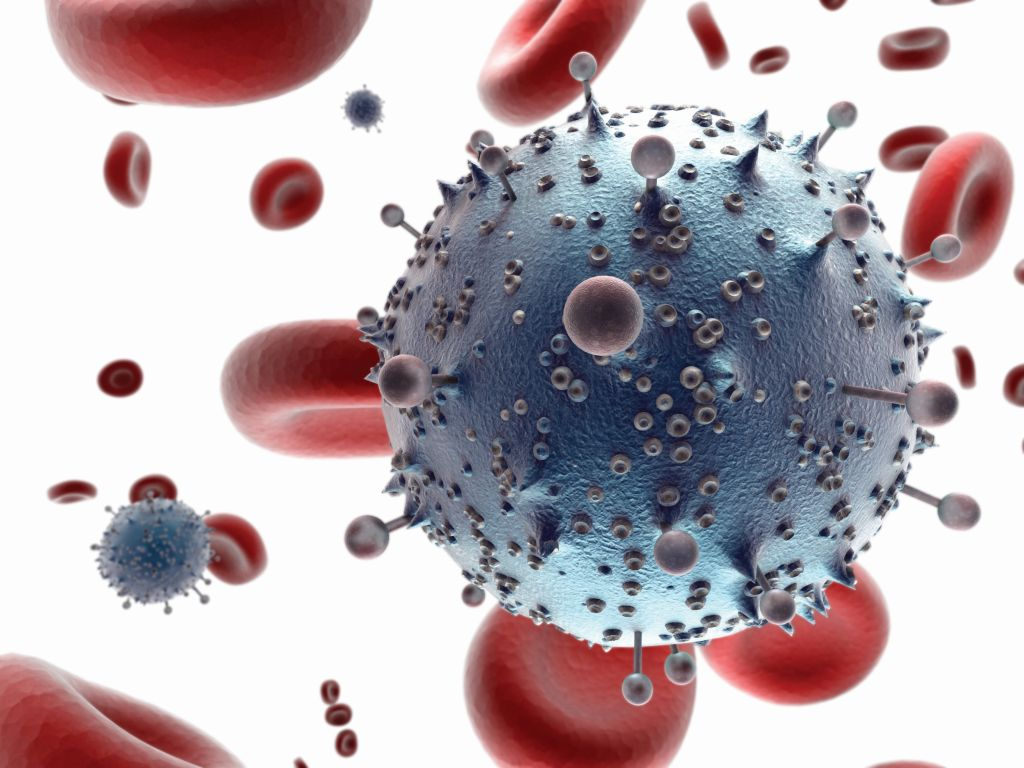
In certain areas of the world, such as southwest Japan, parts of Africa, and the Caribbean, a particular type of leukemia has been shown to occur in local residents who have been exposed to a virus known as Human T-cell Leukaemia Virus (HTLV). However, only a small number of people who have had this infection eventually develop leukemia.
Electromagnetic fields
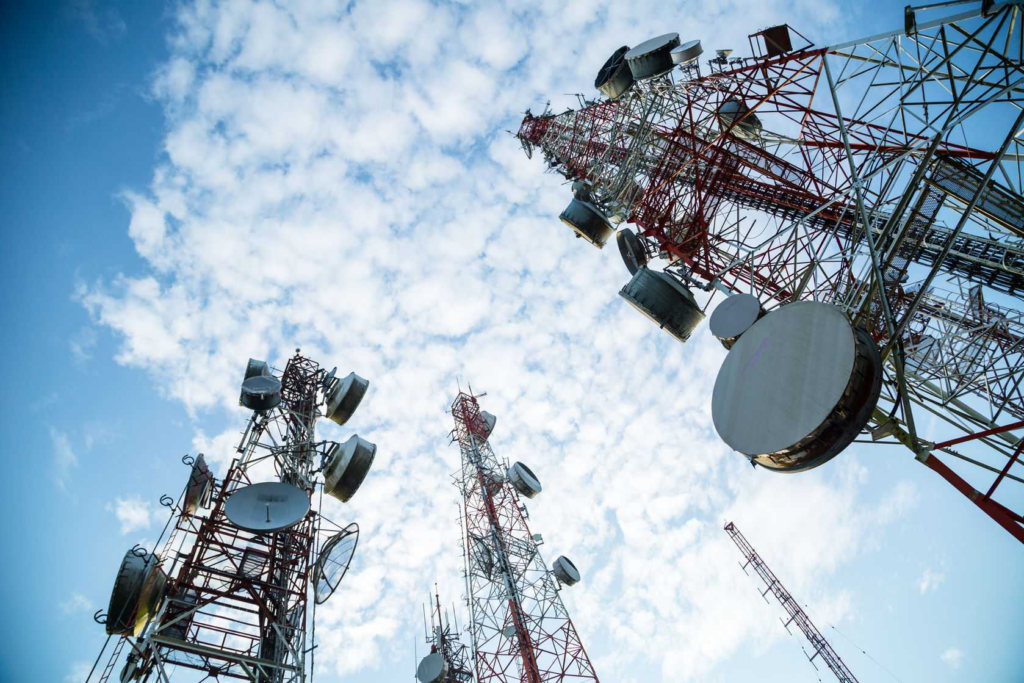
Some people are concerned about power lines and the risk of cancer. This is because power lines produce ‘low-frequency electromagnetic radiation’ (EMR), as do electric wiring and electrical equipment. There is some research suggesting that exposure to this type of radiation may be linked to childhood leukemia, though the evidence is limited.
Smoking

Smoking cigarettes can increase your risk of developing acute myeloid leukemia. Researchers estimate that smoking doubles your risk of AML. Smoking may account for up to 1 in 5 of all cases of AML.
Blood disorders
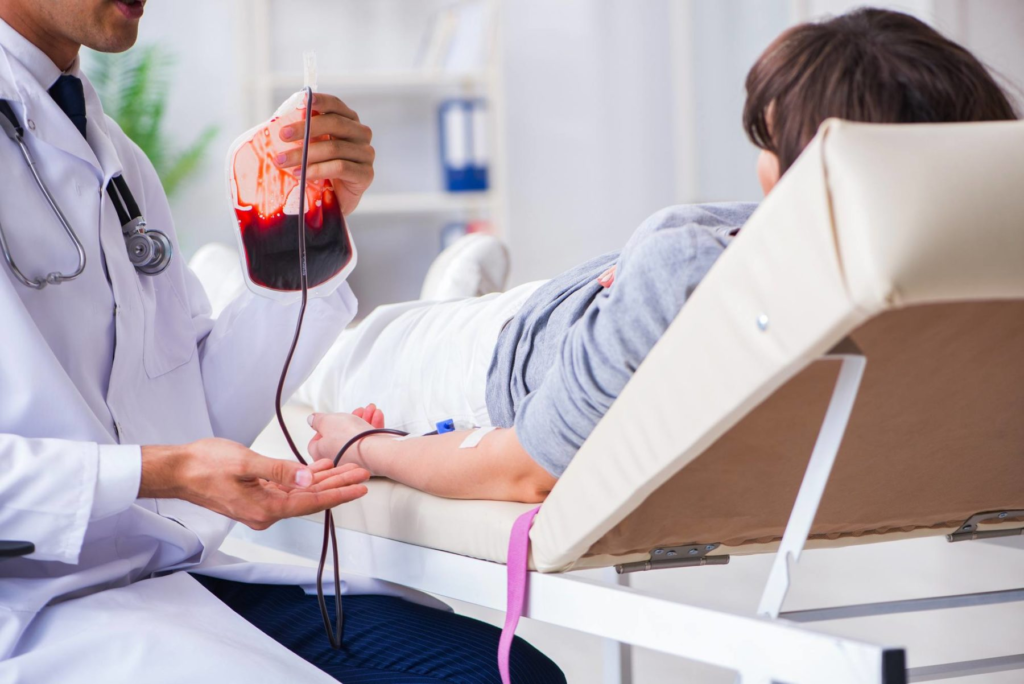
People with blood diseases such as aplastic anemia or myelodysplastic syndrome may be at an increased risk of developing leukemia.
Common Types of Leukemia

Although leukemia can affect more than one type of blood cell, it’s named based on the kind of white blood cell it starts in (myeloid or lymphoid) and how fast it gets worse (acute or chronic).
Acute leukemia affects cells very early on in their life causing them to malfunction. Often you experience infections, bleeding, and anemia and usually require immediate treatment. Acute cancers come on within weeks as young white blood cells flood your bone marrow. They’re often found after you have an infection that just won’t go away.
Chronic leukemia affects more mature cells. Immediate treatment is not always required and in some cases, it might never be necessary. Chronic cancers show up much more slowly. Often, a routine blood test happens to uncover them.
Diagnosis

Leukaemia is diagnosed using either a blood test or a bone marrow test (bone marrow biopsy).
When a blood sample is analyzed the number of white and red blood cells and platelets are counted. If the blood count is abnormal it might reveal a low platelet count, a low number of red blood cells, or a low count of mature white blood cells. Or a high number of immature or prematurely released white blood cells, called blasts.
On the other hand, the bone marrow is analyzed using a wide variety of tests including microscopic analysis and bone marrow culture studies.
Diagnosis is generally based on observations from both of these tests.
Other tests include a blood smear to show how many blasts you have and what they look like. Also, you might get tests to find out about the DNA of the cancer cells. Or your doctor may do imaging like CT, MRI, and ultrasound to check for cancer in your lymph nodes and organs. Finally, you could get a lumbar puncture to see if it has spread to your brain and spinal cord.
Treatment

The various forms of leukemia don’t always require treatment, which is particularly the case in the elderly. But here are some of the treatments that may apply to you:
Chemotherapy

This is the standard treatment for acute leukemia. Chemo uses drugs to attack cancer cells throughout the body. The first round could last several weeks. Once the cancer is in remission, you usually get more cycles of chemo spread out over 4-8 months. With some types of cancer, you may need more treatments over the next 2-3 years. You’ll also get medications to help with side effects like throwing up.
Stem Cell Transplant

Higher doses of chemotherapy can kill more cancer cells, but they’ll wipe out healthy cells, too. That’s when you might need stem cells from a donor to restore your supply. It can be risky because your body may reject the new cells. So it’s mainly used when other treatments haven’t worked. Although a stem cell transplant can cure cancer, it can also cause life-threatening damage to your immune system.
Targeted Therapy

These medications are commonly used for chronic leukemia. They leave healthy cells alone and attack only cancer cells, which work differently. For instance, tyrosine kinase inhibitors (TKIs) can basically cure CML, though you have to take them for life. For CLL, medicines called monoclonal antibodies mark cancer cells so your immune system can destroy them. And kinase inhibitors keep CLL cells from growing and dividing.
Gene Therapy

CAR T-cell treatment is a revolutionary type of blood cancer treatment that programs your own altered white blood cells to kill cancer cells. For each dose, some of your white blood cells are removed and sent to a lab, where they get a new gene added that tells them to target and kill specific leukemia cells. These modified T cells then go back into your body to help kill the cancer. This treatment is only for people who are younger than 25 and have B-cell ALL that other treatments haven’t worked on or that have come back.
Follow-Up Care

Whether you’re in remission, watchfully waiting, or getting ongoing treatment, regular checkups and tests will become a part of your life. Talk openly with your doctor not just about changes in symptoms, but also about any emotional and day-to-day struggles you might have. Ask about a survivorship care plan, which addresses both your medical needs and your overall well-being.
Prevention

There’s not a lot you can do to prevent leukemia, and there are no special screening tests to look out for it. The things you can do are not smoke, stay away from benzene, and avoid really high levels of radiation. Other than that, your best tool is your annual exam. This lets your doctor keep tabs on your health and often includes routine blood tests that could spot the disease early on.
On a last note, what to Know about Leukemia shows that survival rates are averages that depend on the type of leukemia you have, how advanced it is, and your overall health. For instance, the 5-year relative survival rate for leukemia is about 60%. What this means is that 6 out of 10 people who have leukemia are still alive after 5 years.

