
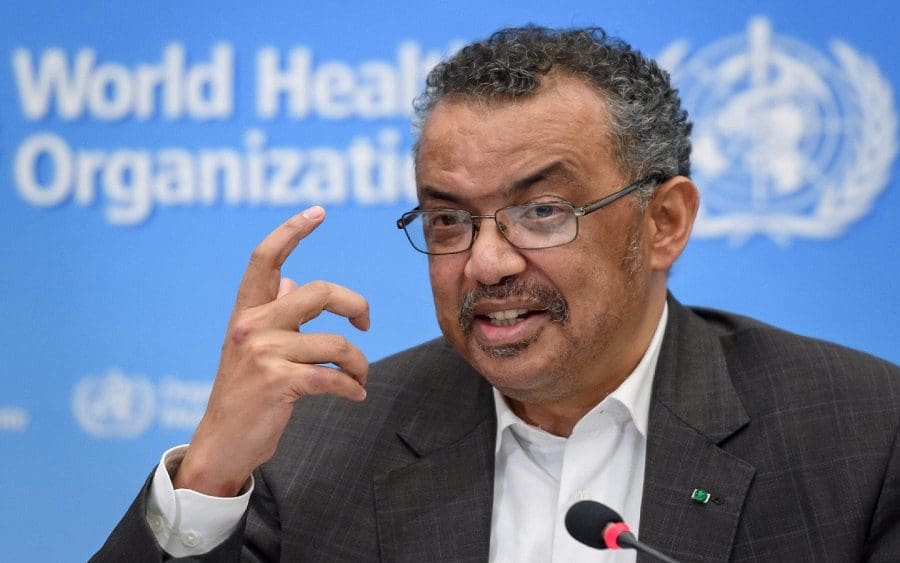

(Being the text of opening statement of the WHO Director for African region, Dr Matshidiso Moeti, at a virtual meeting with African Health Ministers, on Friday, February 5)
GOOD morning and good afternoon to all the journalists and everyone participating in this press conference on the roll-out of the COVID-19 vaccines.
I am very pleased to be joined by the Honourable Minister of Health of Malawi, Ms Khumbize Kandondo Chiponda and the Honourable Minister of Health of Rwanda Dr Daniel Ngamije. Welcome Ministers and thank you for being with us.
There are now around 3.6 million COVID-19 cases and sadly 93,000 lives have been lost on the African continent. From a peak in this second wave of almost 37,000 new cases reported on 6 January, in the past week we have seen an average of 18,000 new cases each day. While this decline is encouraging it is too soon to say if the trend will continue.
Sustained action by authorities and individuals to prevent the spread of COVID-19, remains vital. We are still seeing cases increasing in Ghana, Malawi, Mozambique and Sierra Leone among other countries.
In much-awaited news, the COVAX facility has informed African countries of the first allocations of the COVID-19 vaccine. Nearly 90 million doses of the Oxford/AstraZeneca vaccine could start arriving on the continent later this month. This is subject to WHO listing the vaccine for emergency use. The review is ongoing, and its outcome is expected soon.
These doses would help countries reach 3% of their populations in the first half of 2021, targeting the most-at-risk groups, especially frontline health workers. As production capacities increase, the COVAX facility is aiming to reach at least 20% of Africans, which will require delivery of up to 600 million doses, this year.
In addition, around 320,000 doses of the Pfizer-BioNTech vaccine have been allocated to four African countries: Cabo Verde, Rwanda, South Africa and Tunisia. Deliveries are also expected later in February. To access an initial limited volume of Pfizer vaccine, countries were invited to submit proposals. Thirteen African countries expressed interest in participating in the initiative, and their proposals were evaluated based on current mortality rates, new cases and trends and capacities to store the vaccine at minus 70 degrees Celsius.
Africa has watched other regions start COVID-19 vaccination campaigns from the sidelines for too long. This planned roll-out is a critical first step in ensuring the continent gets equitable access to vaccines.
This COVAX announcement by WHO, Gavi and CEPI allows countries to fine-tune their planning for COVID-19 immunization campaigns.
We urge African nations to ramp up readiness and finalize their national vaccine deployment plans. Regulatory processes, cold chain systems and distribution plans need to be in place to ensure vaccines are safely expedited from ports of entry to delivery. Planning for the vaccination campaigns, including putting in place strategies to engage communities will be crucial. We can’t afford to waste a single dose.
We are also tracking information on the new variants, which are spreading in countries and we will keep doing so, so that we can continue strengthening and adapting response measures.
I’d also like to update on the roll out of antigen-detect rapid diagnostic tests on the African continent. So far, with the support of the Bill & Melinda Gates Foundation, the Republic of Korea and other partners, more than 3 million RDTs have been delivered to African countries and more than 8.5 million are in the pipeline. These supplies will help to expand testing capacities and improve the turnaround time for results in order to enable rapid contact tracing and breaking of transmission chains.
Finally, today is World Cancer Day and more than one million Africans are diagnosed with different types of cancer every year. In sub-Saharan Africa, around two out of five women who seek access to treatment for breast cancer do not receive it, because they cannot afford it, or the service is not available close to where they live. This is why Universal Health Coverage is so important, and why at WHO, we are working with countries to attain UHC: to ensure everyone can access the care they need, without suffering financial hardship.
I look forward to our conversation today and thank you once again for joining us.


2 comments
… [Trackback]
[…] Find More Info here to that Topic: naijatimes.ng/who-statement-on-vaccine-rollout/ […]
… [Trackback]
[…] There you can find 16520 additional Information to that Topic: naijatimes.ng/who-statement-on-vaccine-rollout/ […]
Comments are closed.