


As Nigeria marks her 60th independence anniversary, some top Nollywood practitioners speak on the notion of the Nigerian nation, what independence mean to them and how the movie industry has fared so far.
SANNI MUAZU
(Actor/ Producer)
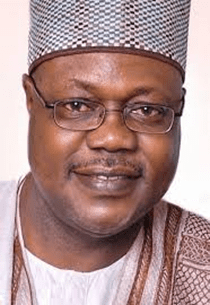
NIGERIA is at a crossroad at 60 and all the gains she recorded over this period of time as a nation is being threatened by her actions or inactions. There is no classical example of this imminent threat and danger like in the creative sub sector of the economy where lack of a meticulous support system and development plan for the industry is its own undoing and the albatross.
Incidentally, I am 60 years old too just like Nigeria and I have invested more than half of my life in the growth and development of the Nigerian Film industry as a key player and a stakeholder. I have seen how, from the ashes of the glorious age of the celluloid era when all filmmaking activities stopped and cinemas were converted to warehouses and places of worship, an industry emerged in which Nigerians are able to tell their own stories and even inspire other Africans to do the same. This was about 30 years ago and all this was achieved with little or no support from the government. I have celebrated how this independent homegrown initiative had provided more than a voice that is changing the narrative about our history and culture but one that had comfortably engaged the youths in numbers, providing for them an enviable source of livelihood.
But all that is about to be lost.
How is the Nigerian system contributing in stifling growth instead of encouraging it? The need for a structure that brings all stakeholders under one roof and establish not only industry standards based on best practices but also entry and exit points in order to set and maintain standards must be backed by law to be effective. This is one of the roles government’s inaction is thwarting.
Stakeholders in the industry had, since 2002, indicated their desire for a council and the Motion Picture Practitioners’ Council was proposed to play this onerous task but the way and manner government plays games and lip service to this critical need that will not cost it anything is extremely baffling. A draft bill was taken to the National Assembly which was tinkered with by civil servants whose main aim is to halt the growth of the industry. Practitioners cry wolf and now the process has stopped!
The entertainment industry is also an important economic sub sector which should be nurtured to grow with the right enabling environment, grants, tax relief, rebate and tax holiday but instead is bedeviled by multiple taxation and offers of loans with unfriendly conditions in an unstable and corrupt economy.
There is also the dire need for the government to work with the industry in exploring new marketing platforms and hubs in the face of dwindling incomes against a market that rose from the sales of VCDs and DVDs.
The industry was unprepared and was badly hit by fast changes in technology that made its previous base obsolete and outdated today. Migration to video on demand and other similar platforms is difficult too in an economy where the percentage of those that browse Internet and download information for entertainment is small due to the high cost of data.
EGO BOYO

(Actress/MD Temple Productions)
THE Film industry in Nigeria, has come a long way since our colonial past, and has blossomed into a burgeoning industry ranked third in the world in terms of output and contributing to the Nigeria’s GDP annually. Considered in the top three in terms of employment numbers, Nollywood is the dream of our early filmmakers and I am glad to get to see this journey.
I started in the industry during the Movie/Film revival of the mid 90’s, when video non-digital was still king, and becoming a part of the reboot of the industry with our early films, for me, the Industry today, Nollywood, is a thing of beauty.
Film and entertainment are now regarded as a career path of choice for many young people in Nigeria, and being creative is no longer a dirty word or less desirable. There are more production companies, than ever before. More producers, more writers/scriptwriters, more actor-directors, more technicians, more people working in post production than ever before.
A young generation of Nigerians have made Film, TV, entertainment their career choice and with both formal and informal education or on the job skills have made the industry their own. The richness of the stories, the colour and design of costuming, the artistry in the make up, the skill of the lights and sound, the fluidity of our post productions, the edits, the effects, graphics, music, style and gloss of our productions, all are reaping the rewards of this new entrants. The effect of their entry has also increased access to knowledge and technology in the industry.
Digital Film is now the choice for all film makers and no- traditional routes like mobile phone films, varied genres silent, experimental, shorts, are being utilised.
More than ever the quality of our films have dramatically improved and we are able to enter in and, are accepted in many of the top film festivals all over the world, and win! Nollywood films are considered a force in film production worldwide, our stories are widely consumed in the diaspora, and with our recent partnerships with the major streaming platforms, more. Audiences worldwide are seeing our films with more ease than ever before. It is a thing of beauty to behold, and I am here for that journey! The future is bright for Nollywood.
BIMBO MANUEL
(Actor, culture activist)
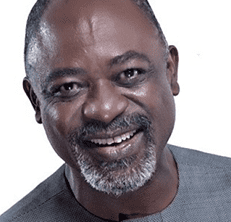
YOU will permit me to expand the scope of your question a little to drag in other areas of entertainment beyond films to include music, fine and graphic art forms, comedy and performance arts. Expectedly, Nigerian art forms have thrived in periods of relative prosperity and security, energising creativity, wide inclusion, deep penetration across social strata and even daring as recorded in the period immediately pre and post independence — Chief Hubert Ogunde, Ishola Ogunsola aka I-show pepper, Kola Ogunmola, Professor Wole Soyinka etc — the Gowon era of abundance in spite of the blight of the war, the Abacha era in spite of his dictatorship, the Obasanjo, Yar’Adua, Jonathan eras in spite of all.
I personally observe that the common denominator of those periods was their relative stability and abundance. The uncertainties interrupting them all and especially this regime has made the steady and progressive development we would have witnessed in the arts environment too difficult to measure.
While we can look back and pat ourselves on the back for how far we have come and how much we have achieved, it has been largely in spite of the country and its leadership if we estimate those attainments within the context of where we could have been in a 60-year old country, led by strong, clearly defined vision.
At 60, my industry could have been in a better place. We cannot divorce practice in the arts, especially the performance arts from the general wellbeing of the rest of the country, a poor country cannot patronise the arts. No amount of money dumped into the arts will answer the questions of the industry if the patrons remain poor and incapacitated.
I personally wish for a better economy and a secure country… unless we are all going to be conscripted into a creative force, an appendage of the Nigerian government, paid to produce government-funded socialist content to be consumed by fiat by an unwilling, poor audience. My railings apart however, we have come some way, if we wish to be kind to those who slave in the industry but it has been in spite of the hostile 60-year old Nigerian state.
KATE HENSHAW
(Actress, media personality)

INDEPENDENCE reminds me that we still have a long way to go for the Nigeria of my dreams. In terms of governance, security of lives and property, education, healthcare and quality of life. Nollywood has not faired too badly with our films in mainstream cinema but we still look for ways to improve on our technical quality and storylines. It is an industry that keeps improving.
FRANCIS ONWOCHEI
(Actor, producer)

CREATIVE industry in Nigeria has accounted for personal wealth, tourism and particularly contributed to different levels of employment within the Nigerian space. From Hubert Ogunde era down to Tunde Kilani and Amaka Igwe up till the current trending filmmakers like Moses Inwang, Genevieve Nnaji and Ramsey Noah, the sector has continued to witness gradual growth. In perspective, what started purely as art and entertainment has grown to witness varied interests in direct investment and upsurge in government interest and support.
Nigeria at 60, the voyage has been quite interesting, what with continuous private and public sector efforts to strengthen the creative architecture of the space. I would personally have hoped that more investments from private sector is geared towards expanding the distribution channels in terms infrastructure. More fine-tuning in the local content policy in the creative process, developing sustainable strategy of grants and support to established and emerging talents, supporting knowledge acquisition to maximise the benefits of digitisation.
At 60, we sure have progressed from analogue operations and embraced digitisation. The future gets brighter, particularly in broadcast sector and regulations should take cognizance of conforming with global standards.
Congratulations to all filmmakers who have etched their names on the sector, let us all do more and together lift Nigeria to its desired greatness


6 comments
… [Trackback]
[…] Find More Info here to that Topic: naijatimes.ng/nigeria-at-60-songs-from-the-silver-screen/ […]
… [Trackback]
[…] Read More on to that Topic: naijatimes.ng/nigeria-at-60-songs-from-the-silver-screen/ […]
… [Trackback]
[…] Information on that Topic: naijatimes.ng/nigeria-at-60-songs-from-the-silver-screen/ […]
… [Trackback]
[…] Read More Info here to that Topic: naijatimes.ng/nigeria-at-60-songs-from-the-silver-screen/ […]
… [Trackback]
[…] There you will find 37114 additional Information on that Topic: naijatimes.ng/nigeria-at-60-songs-from-the-silver-screen/ […]
… [Trackback]
[…] Read More here to that Topic: naijatimes.ng/nigeria-at-60-songs-from-the-silver-screen/ […]
Comments are closed.