

*Govt often jittery over hard questions about governance, demand for reforms and transparency in its actions — CDD
*Impunity has replaced democratic decision-making, no respect for social and economic justice — CHRICED
IF the situation in 2020 were to be used as a yardstick to measure the commitment of the Buhari administration to respect for human rights and civil liberties, the government has had a very embarrassing scorecard, according to feelers from the pro-democracy circuit.
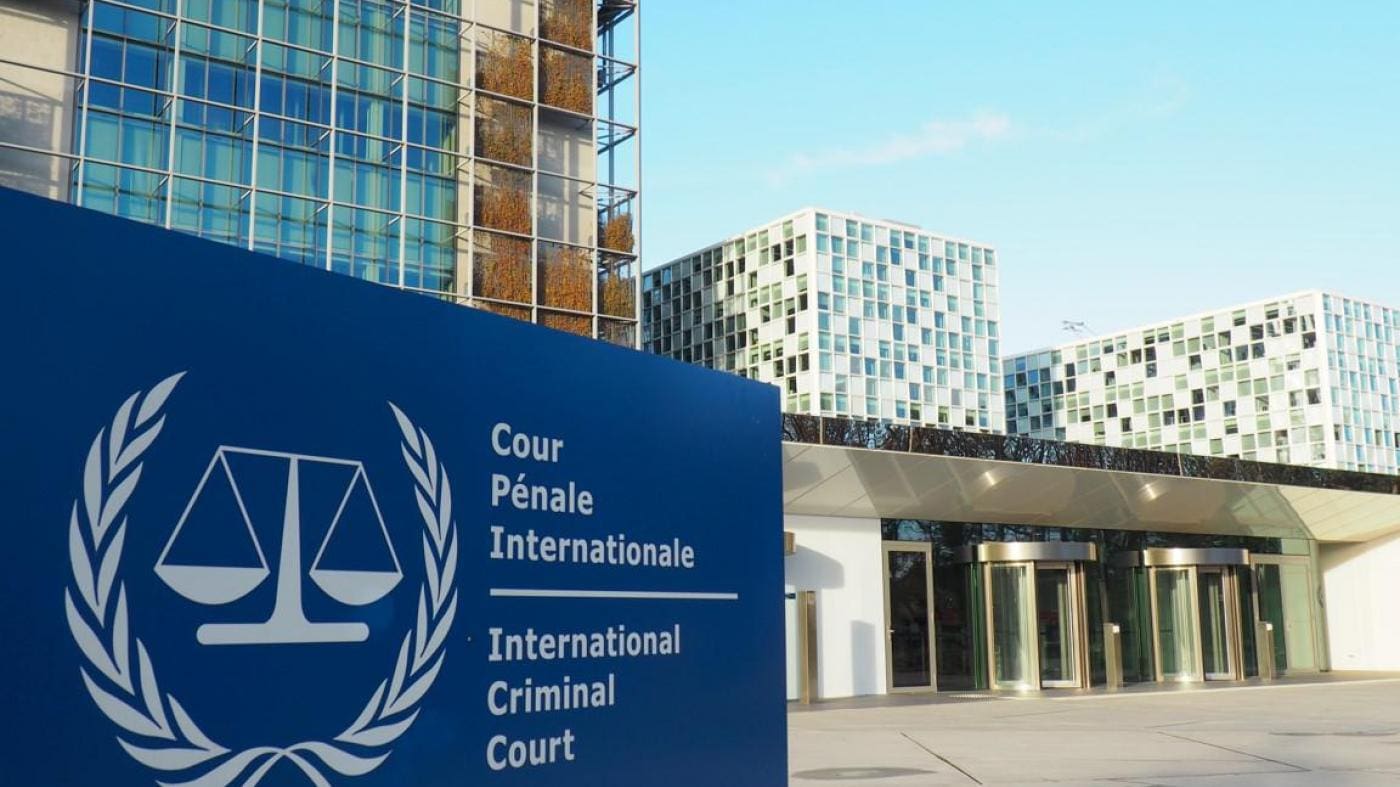
As a sign of how bad the situation is, the Prosecutor of the International Criminal Court in December announced that it was concluding a decade-long preliminary investigation into crimes against humanity and war crimes allegedly committed by Boko Haram and Nigerian security forces. But even as the top brass of the security forces were struggling to exonerate themselves from the scrutiny of the ICC, they were also busy denying the extra-judicial murder of the #EndSARS protesters, mostly young Nigerians.
2020 was indeed the blood-soaked year in which scores of youth demanding an end to police brutality, corruption and bad governance under the banner of #EndSARS were mowed down, killed and injured by the bullets of members of the security forces. It was also the year the dignity of Nigerians was so severely assaulted that citizens who could no longer endure the pangs of hunger, invaded warehouses to liberate edible items that had been donated as palliative to cushion the effect of the rampaging Covid-19.
Hunger was identified as the main reason the otherwise hardworking but disenchanted citizens were transformed to looters.
However, for those who have tried to be optimistic and hopeful that the new year would bring about a new found respect for citizens’ rights, the expectations have been crumbling very quickly.
2021 as the optimists have projected has not heralded any new beginning. The government has rather continued in its old habits of trying to muffle voices campaigning for reforms in the governance space.
Since the start of the new year, there has been no significant move to indicate that the Buhari presidency would de-escalate the stand-off with pro-democracy campaigners and other voices of dissent clamouring for good governance. As such, the torrid human rights, and civil liberties situation in the past year could grow worse as the government gets more intolerant of activists, critics and voices of dissent.
A glaring case in point of the government’s hardline posture of harassing rights activists is the recent action of the Nigeria Immigration Service, which refused to renew the international passports of some Nigerians on the grounds that they participated in the #EndSARS protests. The accounts of some of the promoters of the protests have also been frozen by their respective banks on the directive of the Central Bank of Nigeria. And repeated appeals by eminent Nigerians and some in the diplomatic circuits to free the accounts have remained unheeded by the administration through its agencies.
Similarly, the continuous hounding of former Presidential candidate, and publisher of Sahara Reporters, as well the thinly veiled threats against clergyman, Bishop Hassan Mathew Kukah, based on his criticisms of the Buhari administration, in the view of many activists, indicate a climate of intolerance of contrary views.
And few days ago, the renowned writer and columnist, Professor Okey Ndibe, was detained at the Lagos airport while on his way back to his USA base. Ndibe had, the day before he was accosted at the airport, granted an interview to some television stations in which he drew parallel between the dire assault on democracy in the then Trump’s America and the testy political situation in Nigeria. This is a telling indication that the days of ‘enemies-register’ indicative of the strong-arm tactics against critics and activists in the maximum ruler Sani Abacha’ inglorious days may have returned. In those days, activists and critics of government’s actions were regularly detained at the airport, sometimes denied boarding or travel to their destination.
Observers have also pointed at recent incidents in which media houses, especially electronic media, were threatened with sanctions of various dimensions for daring to show video clips recorded during the October 20:20 shooting incident at the Lekki Tollgate in Lagos. Overzealous government officials even went to the extent of threatening to sanction foreign media organisations, for instance CNN and BBC, over which the country has no control.
There have been unconfirmed reports of some media houses having been penciled for possible punishment for their critical reporting of activities of the government. Attitude of the administration and its senior officials, including cabinet members, have done little to debunk such speculations.
These incidents, added to the attempt to snug in a so-called social media regulatory bill and the anti-fake news bill show some measures of desperation on the part of the administration to further shrink the space for free expression and liberties.
At State levels, some governors have installed themselves as emperors harassing or jailing critics, or destroying properties of perceived oppositions without recourse to laws of the land to address their grievances, if they had any.
HUMAN rights activists and pro-democracy campaigners who spoke to Naija Times expressed worries that Nigeria’s horrible human rights situation would worsen in 2021. They accused the government of treading the undemocratic path of silencing voices of citizens with views different from what the government wants to hear.
In her projection of what the human rights situation is likely to look like in 2021, Idayat Hassan, who is the director of the highly reputed pro-democracy think-tank, the Centre for Democracy and Development (CDD), warned of a bleak outlook. She said the worldview of the current government, its tendency to see critics as enemies, and its constant trait of being jittery when faced with hard questions about governance, would make it muzzle voices demanding for reforms.
“I think the very ugly trends of serious human rights violations we saw from 2020 will continue in this year. From their body language, the top functionaries of the current government do not appear ready to listen, and pick up valuable points from what the Nigerian people are discussing and clamouring about. I think the government officials under this administration are too eager to hear their own voices. The result is that they tend to become defensive when they hear unpleasant truths about what citizens are passing through.”
On his part, the helmsman at the Resource Centre for Human Rights & Civic Education (CHRICED), Comrade Ibrahim M. Zikirullahi agonised about the dreary state of the nation. He party blamed the situation on the abandonment of democratic decision-making, and the tendency to threaten those who hold differing views. In a recent statement released on the state of the nation, the human rights crusader said 2020 was extremely challenging and difficult on many fronts for millions of Nigerians.
Stated Zikirullahi, “Nigerians prayed and hoped for a better deal in the New Year. Unfortunately, for many long-suffering citizens who are looking up to leaders and those in authority to chart the course towards relief and reprieve, the actions and inactions of those in positions of power has been, to say the least, the most disappointing.
“CHRICED observes that despite the devastating impact of the Covid-19 pandemic, which in its second wave continues to destroy businesses and livelihoods, politicians across all tiers of government continue to inflict harsh conditions on the ordinary people. As things stand, impunity has replaced democratic decision making, while those holding political power carry on without any consideration for social and economic justice.”
He continued: “Abuse of citizens rights, attacks on dissent, and free speech have all become the order of the day. From the local government to the state and even to the federal level, citizens can hardly find examples of conduct that falls in line with principled, people-oriented leadership. All across the land, impunity and reckless use of political power is the name of the game. Similarly, the unaccountable use of public funds without recourse to the demands of transparency and probity has become the norm. There are many examples of these serious breaches by people entrusted with political power, who have been using it, not for the good of the collective, but for narrow, self-serving and anti-people ends,” he said.


3 comments
… [Trackback]
[…] Find More to that Topic: naijatimes.ng/after-travails-of-2020-nigerias-human-rights-situation-in-2021-is-foggy/ […]
… [Trackback]
[…] Read More Information here to that Topic: naijatimes.ng/after-travails-of-2020-nigerias-human-rights-situation-in-2021-is-foggy/ […]
… [Trackback]
[…] Find More on to that Topic: naijatimes.ng/after-travails-of-2020-nigerias-human-rights-situation-in-2021-is-foggy/ […]
Comments are closed.