

A DRIVE through a good number of small towns and villages, far flung from Nigeria’s big urban centres would most likely draw the first timer’s attention to signposts indicating ongoing public work projects. The particular government department, and the names of the contractors handling the projects are prominently displayed for the public to see.
Curiously, that is where the proactive disclosure of information about the project ends. Nothing else is provided beyond these very minute details. Other important points, including project costs, and updates on the level of work done are usually shrouded in the haze and secrecy of officialdom. Even in terms of physical evidence of the ongoing project, what the eye can see, in most cases tends not to be commensurate with actual costs and the expectations of citizens. As such, the perception becomes rife that the projects will fail on account of corruption and lack of participation by the citizens.
This is part of the sordid story which has characterised constituency project implementation in Nigeria.
The cesspool of wastes
SINCE the advent of Nigeria’s current democratic dispensation in 1999, the Zonal Intervention Projects also known as constituency projects have failed to deliver for the people, especially for citizens in the rural areas. The situation was so bad that sometimes in 2019, President Muhammadu Buhari declared that in the decade from 2009, one trillion Naira was spent on constituency projects with no real impact on the lives of citizens. Although the Independent Corrupt Practices and other Related Offences Commission (ICPC) has been beaming the searchlight on constituency projects to ensure they are not distorted by corruption, accountability experts have always stressed that citizens’ oversight is the most effective way to ensure constituency projects and other similar government programmes. Documents on the website of the Budget Office of the Federation particularly the 2021 Appropriation Act indicates that N100 billion was allocated to constituency projects in the current year.
A recent tour of communities in Nigeria’s most populous state, Kano, validated the assertions and perception of a constituency project process, which has been marred by graft, inefficiency and opaqueness.
A specific case in point is the construction of a four kilometer road leading to the Federal College of Education, Technical in Bichi.
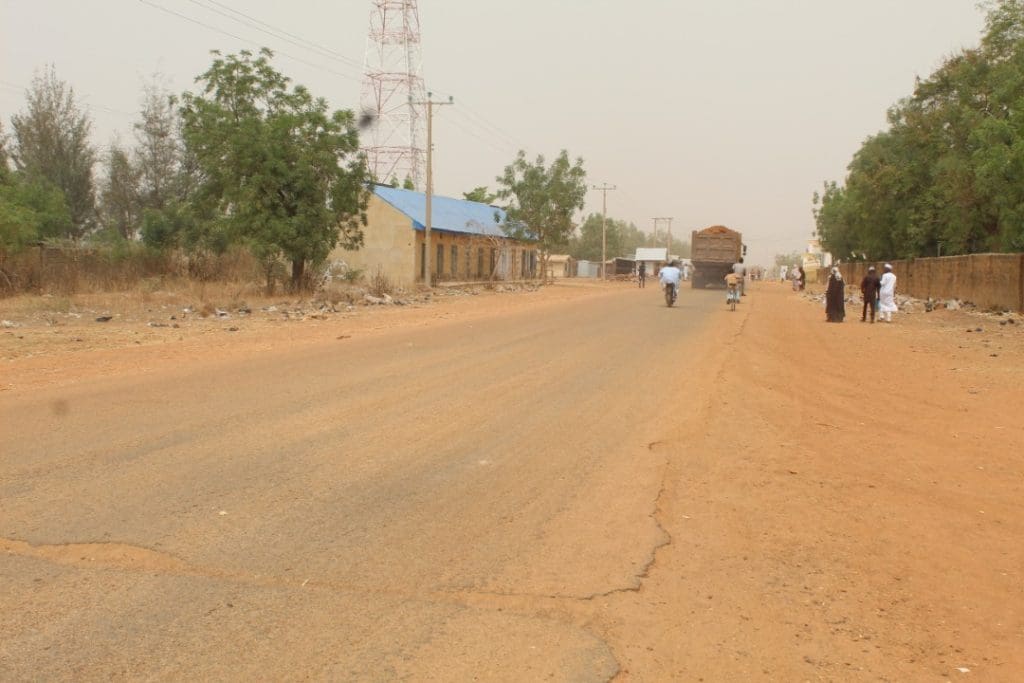
Naija Times gathered that the construction is a constituency project facilitated by Senator Jibril Barou, representing Kano North in Nigeria’s upper legislative chamber. Several residents of the area complained that the road, which was tarred even before the intervention, has become worse off on account of the shoddy construction done on it.
The grouse of residents is that the road in question had been tarred before even though it was riddled with potholes, is now worse off than what it was before. This reversal of the fortunes of the road happened because immediately the project was awarded under the constituency project, the contractor moved in and scraped off the previous road. Residents had been celebrating that the intention of the contractor was to construct a brand new road after scraping off the old one.
To their utmost consternation however, the old tar was peeled off, and was never replaced. Instead the contractor merely poured black oil on the road without tarring it.
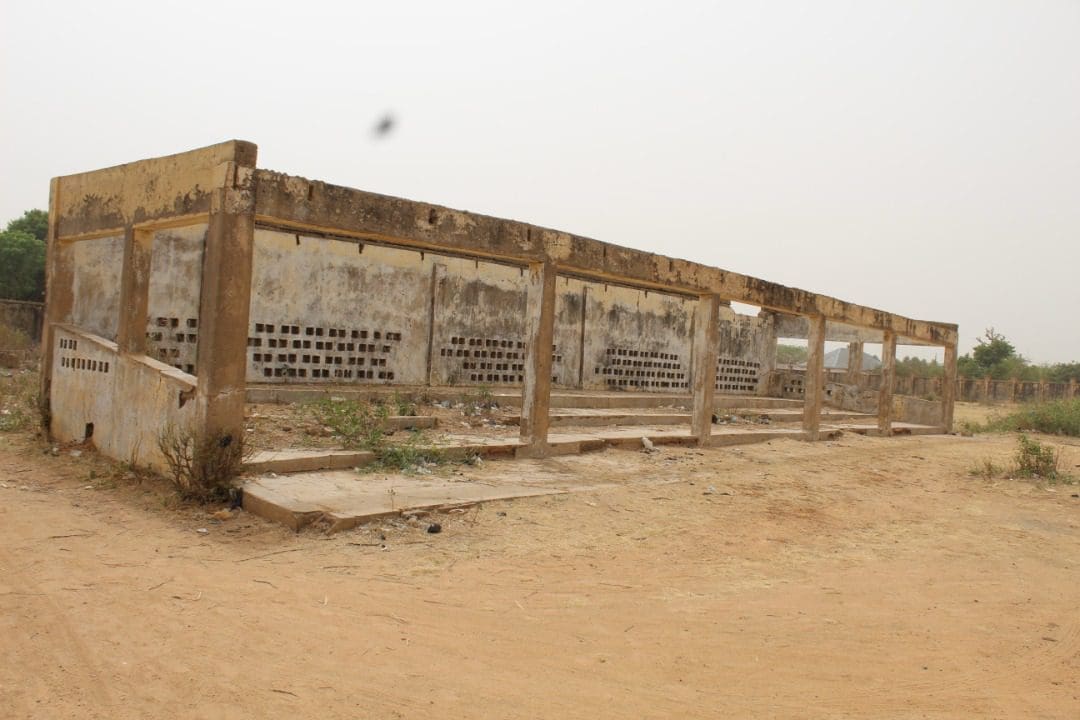
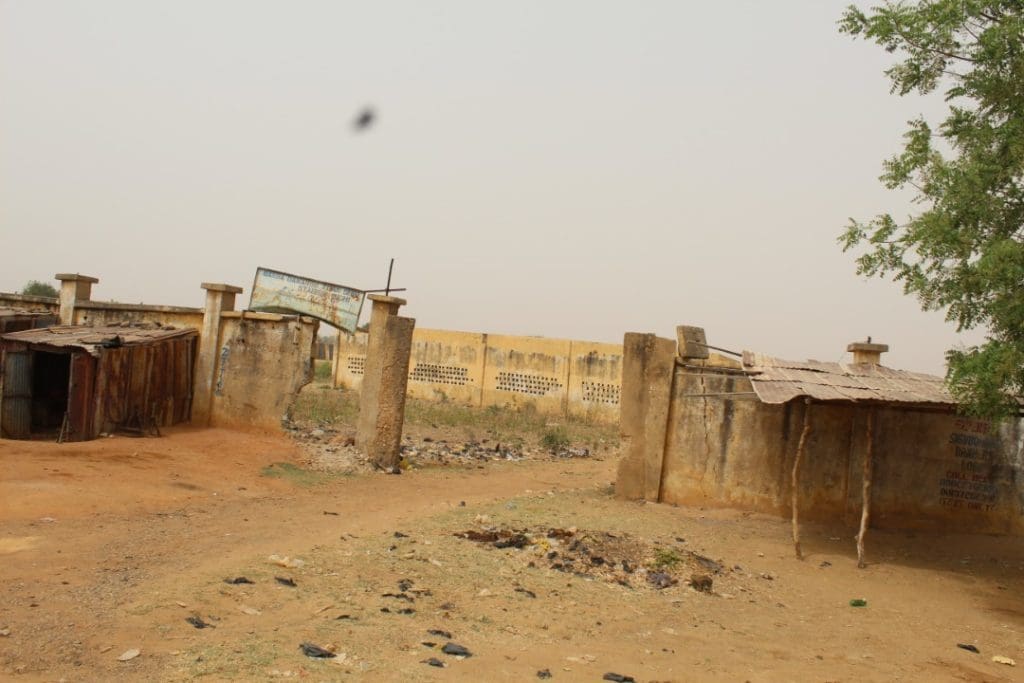
When Naija Times visited the area, the contractor was no longer on site, and the conclusion of many residents is that the community has been seriously short-changed as it got a road that is worse off in quality than what it had before. Naija Times also visited a mini-stadium in the town, which was constructed halfway, but had been abandoned and allowed to rot away.
According to Alhassan Musa, who lives in the area, the abandonment of the sports facility is a big blow to youth development. He said: “Imagine the number of young people that would have been using this facility; from here who know the number of sports stars we could have produced. It is not right that a project like this is abandoned and allowed to decay,” he said.
Notwithstanding the scale of the challenge, and the level of apathy on the part of citizens, anti-corruption activists have remained optimistic that steps can be taken to change the narrative. As such, civic groups working on fostering transparency and accountability have continued to insist the active citizens remain the most effective group capable of oversighting government programmes like the constituency project. This optimism is motivating some civic groups to take up the challenge by training community activists on how to make accountability demands in constituency project implementation.
Waking up the People’s power
A NUMBER of such community enlightenment trainings were held across the three senatorial districts of Kano State. According to Comrade (Dr) Ibrahim M Zikirullahi, the Executive Director of the Resource Centre for Human Rights&Civic Education (CHRICED), one of the organisations working for constituency project accountability, it is time for communities to begin making demands from their duty bearers.
CHRICED, which is implementing a project titled Community-Driven Anti-Corruption Initiatives in Kano State with the support of the John D and Catherine T. MacArthur Foundation, is keen to get citizens involved in the constituency project design and implementation process.
He said: “To achieve this noble objective, we have over the years stressed the importance of providing veritable platforms to serve as an interface between the government as duty bearers, and the citizens as right holders. This is to ensure that the ordinary people in local communities are given the opportunity to mobilise themselves into active citizens with a strong voice to demand accountability from the government.
Subsequently, the leading anti-corruption activist pointed out that in the next three years (2021-2024), CHRICED, with support from MacArthur Foundation, will work with citizen groups in local communities, elected public office holders (particularly legislators), relevant government institutions, the mass media and anti-corruption agencies such as the Independent Corrupt Practices and Other Related Offences Commission (ICPC), the Economic and Financial Crimes Commission (EFCC) and the Kano State Public Complaints and Anti-corruption Commission, to find ways of reducing corruption in the process of planning and implementing state and federal constituency projects in the 44 Local Government Areas of Kano.
Given the quantum of funds devoted to constituency projects, the CHRICED helmsman noted that citizens cannot be passive about it.
He said: “These are projects which could have helped spread development, and give citizens a sense of belonging and benefits from public resources. At the federal and state level, constituency projects would have been like the famous Marshal Plan of the United States of America with its capacity to bring developmental projects to the people at the grassroots. If the politicians had allowed the intended service delivery envisage through the constituency project to work, such basic things as rural roads, cottage industries, health facilities, recreational spaces and so many more would have been built in communities across the country.
“Unfortunately, what we have seen since Nigeria’s return to civil rule is a constituency project system that has been severely damaged by corruption, inefficiency, and lack of accountability. Projects, which should have been the outcomes of democratic decision-making and robust participation of the people at the grassroots have been so thoroughly abused that they have become opportunities for politicians involved to line their pockets,” he lamented.


3 comments
… [Trackback]
[…] Find More on to that Topic: naijatimes.ng/constituency-projects-plugging-the-corruption-hole-with-peoples-power/ […]
… [Trackback]
[…] Read More to that Topic: naijatimes.ng/constituency-projects-plugging-the-corruption-hole-with-peoples-power/ […]
… [Trackback]
[…] Info to that Topic: naijatimes.ng/constituency-projects-plugging-the-corruption-hole-with-peoples-power/ […]
Comments are closed.