
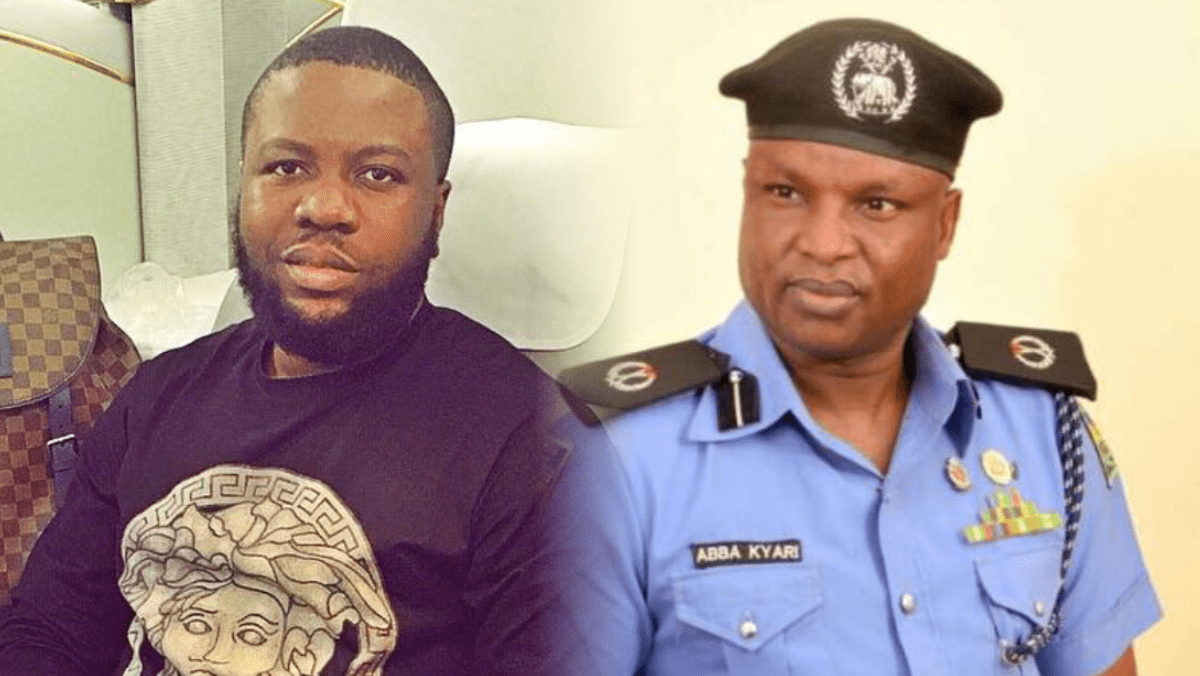

‘Nigeria’s anti-corruption crusade will definitely be considered a ruse, if the government handles this test case with any kind of feebleness or levity. Interestingly, the next Transparency International Corruption Perception Index is around the corner. It is in how the country address litmus tests like the case of the decorated, but now damaged cop, that the country that win back confidence within and outside its shores.’
GIVEN the national consternation and shock, which has greeted the indictment of Deputy Commissioner of Police (DCP) Abba Kyari by the United States Federal Investigations Bureau (FBI), there is no doubt that the scandal is a blow below the belt for many Nigerians. The chummy link between the top police officer and internet fraudster, Ramon Abass aka Hushpuppi, with the outcome that crimes have been committed, puts Nigeria in a very bad place, internationally. This development is yet another serious dent for the anti-corruption credentials of the administration of President Muhammadu Buhari.
As many close observers of developments in the polity have noted, Kyari was the creation of a system steeped in corruption. In a national space, where the law enforcement institutions have struggled to cope against various criminal challenge to state authority, Kyari was projected as the poster boy of effective policing and crime fighting. Notwithstanding the several chinks, which lined his amour, including frequent serious allegations of gross human rights violations, Kyari largely rode through the scrutiny to cement his position as Nigeria’s “super cop.” However, many analysts believe that there were clear warning signs, which could have prevented the colossal embarrassment Nigeria now faces.
In the eyes of those closely following the workings of the Nigeria Police Force, the first disturbing trend in Kyari’s trajectory was the glaring over concentration of vital policing tasks in his hands. This reality would manifest in the super cop prancing all over the national space to chase down criminals, a trend which tended to suggest he had a monopoly of crime bursting capabilities. For Nigeria, a country of 200 million people, buffeted with security challenges on all fronts, many citizens would have expected that the system would produce crime busters in the thousands to tackle the law and order crisis threatening the very existence of the country.
Unfortunately, the police top brass in the eyes of several experts, preferred the strategy of centralising power and crucial policing duties in the hands of one man, who grabbed those powers, just as he basked in the limelight. Ironically, those near absolute powers were prone to being abused and misused. Even with the risk of corruption from such excessive powers, the police top brass did deem it necessary to put Kyari on an accountability leash. Several other uninvestigated allegations of extortion, extra-judicial killings and conducts unbecoming of a highly regarded police officer, have been emerging since the FBI indictment. What this goes to show is that the men at the helm of the Police have always carried on with the understanding that the DNA of the force is derived from a predatory brand of over-centralisation.
Given such monopolistic tendencies, transparency, respect for human rights and accountability are bound to be thrown out of the window. These realities make it pertinent to interrogate the import of Kyari’s scandalous albatross on the anti-corruption crusade. A 2017 report of the United Nations Office on Drugs and Crime (UNODC) indicated that police officers are the type of public official to whom bribes are most commonly paid in Nigeria.
The survey titled; Bribery, Public Experience and response stated that “all adult Nigerians who had direct contact with a police officer in the 12 months prior to the survey, almost half (46.4 per cent) paid that officer at least one bribe, and in many cases more than one since police officers are also among the three types of public official to whom bribes are paid most frequently (5.3 bribes per bribe-payer over the course of 12 months) in Nigeria.”
Incidentally, the Kyari-Huspuppi scandal also points to how corruption subverts the cause of justice, while undermining the rights of citizens. This is exemplified in the allegation that the highly decorated officer locked up another citizen for a full month after being induced by a fraudster, who should be a person of interest to the law enforcement agency.
Although, agencies like the Economic and Financial Crimes Commission (EFCC) and the Independent Corrupt Practices and Other Related Offences Commission (ICPC) have been doing their bit to crackdown on corruption, institutions like the Police continue to be swamped by the monster. Notwithstanding the modest gains made to fight corruption, it appears the police, which is the lead institution responsible for internal security of the country, has not shown sufficient interest in dismantling corruption within its ranks.
What the Kyari scandal points at is that while the Buhari government is screaming to the high heavens about the need to fight corruption, the lead institution simply lacks the interest and motivation to clean up its act. As such, the Kyari situation is only a clear indicator of how bad the problem is, and how high up within the force those involved are.
It is equally pertinent to add that the Kyari situation is clear pointer to the accountability deficit in the force. As one concerned citizen, Kelechi Okpaleke puts it in a Facebook post, the top hierarchy of the police turned a blind eye to allegations, which are now emerging in torrents, since the FBI issue. “He was not only protected (when the allegations were made) but was given assignments that will boost his visibility to the public. A detailed audit of these assignments and his performance in them is known by the authorities but they will only choose to accentuate the good . The bad is swept under the carpet. So is Abba Kyari the most effective cop in the Nigerian Police Force, no. But he was their chosen one.”
A similar point was made by Executive Director of the Rule of Law Advocacy Centre (RULAC), Okechukwu Nwanguma, who made the point that Nigeria must learn vital lessons from the Kyari scandal. He said: “It is an opportunity to review the conduct of police officers and come up with reform initiatives to restore professionalism to the force. I understand that Nigeria is generally upside down and we should not expect the police to be insulated from the rot and the mediocrity. “After all, are they not products of a rotten system? But this is a defeatist mindset. I do not accept that we are genetically bad. We are just dirty. What we need is to be cleaned up, given new clothes and re-programmed to stay clean. At least one institution can lead the way and show what is possible.”
In the context of Nigeria’s anti-corruption crusade therefore, the reminder of the tenure of the Buhari government should be used to begin the process of dismantling the very foundations, which enable corruption in the police as an institution. If Nigeria is to be taken seriously in the comity of nations, it must send a clear message by embarking on comprehensive measures to clean up the police force. The ingrained culture of impunity, which makes the police so opaque, brutal and unaccountable, has to be changed.
The Kyari situation is therefore a test of the resolve of the government to clamp down on corrupt elements within the system. Nigeria’s anti-corruption crusade will definitely be considered a ruse, if the government handles this test case with any kind of feebleness or levity. Interestingly, the next Transparency International Corruption Perception Index is around the corner. It is in how the country address litmus tests like the case of the decorated, but now damaged cop, that the country that win back confidence within and outside its shores.

