
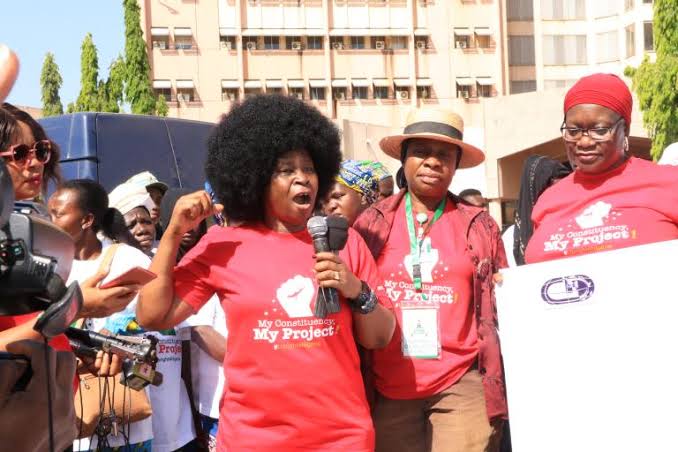

ACTIONAID Nigeria, a non-governmental organisation working to eradicate poverty in the country has decried the alleged resolution by the Nigerian Electricity Regulatory Commission (NERC) directing the 11 Electricity Distribution Companies (DisCos) to increase their tariffs from today, September 1.
The NGO posits that the increase in electricity tariff will further erode the purchasing power of Nigerian workers both in the formal and the informal sectors, and will further impoverish more Nigerians.
It therefore calls on NERC and the Federal Government to halt the implementation of the planned tariff increment and uphold its values of transparency, fairness, and accountability by ensuring continuous consultation with the masses while protecting consumer rights.
According to the rights and advocacy body Country Director, Ene Obi, the increase in tariff is not only ill timed but insensitive to the precarious plight of Nigerians whose lean disposable incomes are already decapitated.
She said, “ActionAid’s position is hinged on the premise that previous hike in electricity tariffs had not translated to effective and regulatory strategies to manage the impact of such hikes on macro-economic indices affecting end-users that are currently economically crippled and trapped.”
Obi reminded the Federal Government that more than a hundred million Nigerians are living below the poverty line, stressing that rather than hike tariff, NERC should compel all the actors in nation’s power sector to ensure increased efficiency in the industry, including managing energy loses to make erratic power supply a thing of the past as a way of boosting productivity and the country’s gross domestic product (GDP).
“We urge NERC to rescind this decision and ensure that the Nigerian Electricity Supply Industry improve its performance before considering a tariff increase. If this purported decision is not reconsidered, the cost of production of basic items produced in the country will increase and this may also lead to job losses in the already ailing medium and small-scale industries in Nigeria.
“Investors who rely largely on power supply will obviously not be able to break even. To remain afloat, they will have to shift the burden of increased cost of production to the final consumers of their products and services in an economy already choked by inflation,” she stated.

