
…any new place can swindle a casual visitor
especially one who has no organic monitor
The new place needs a reliable navigator
If the visitor wants to turn the virtual locators
into lasting realities.
We have been to Sweden
and returned with swollen bags of hope.
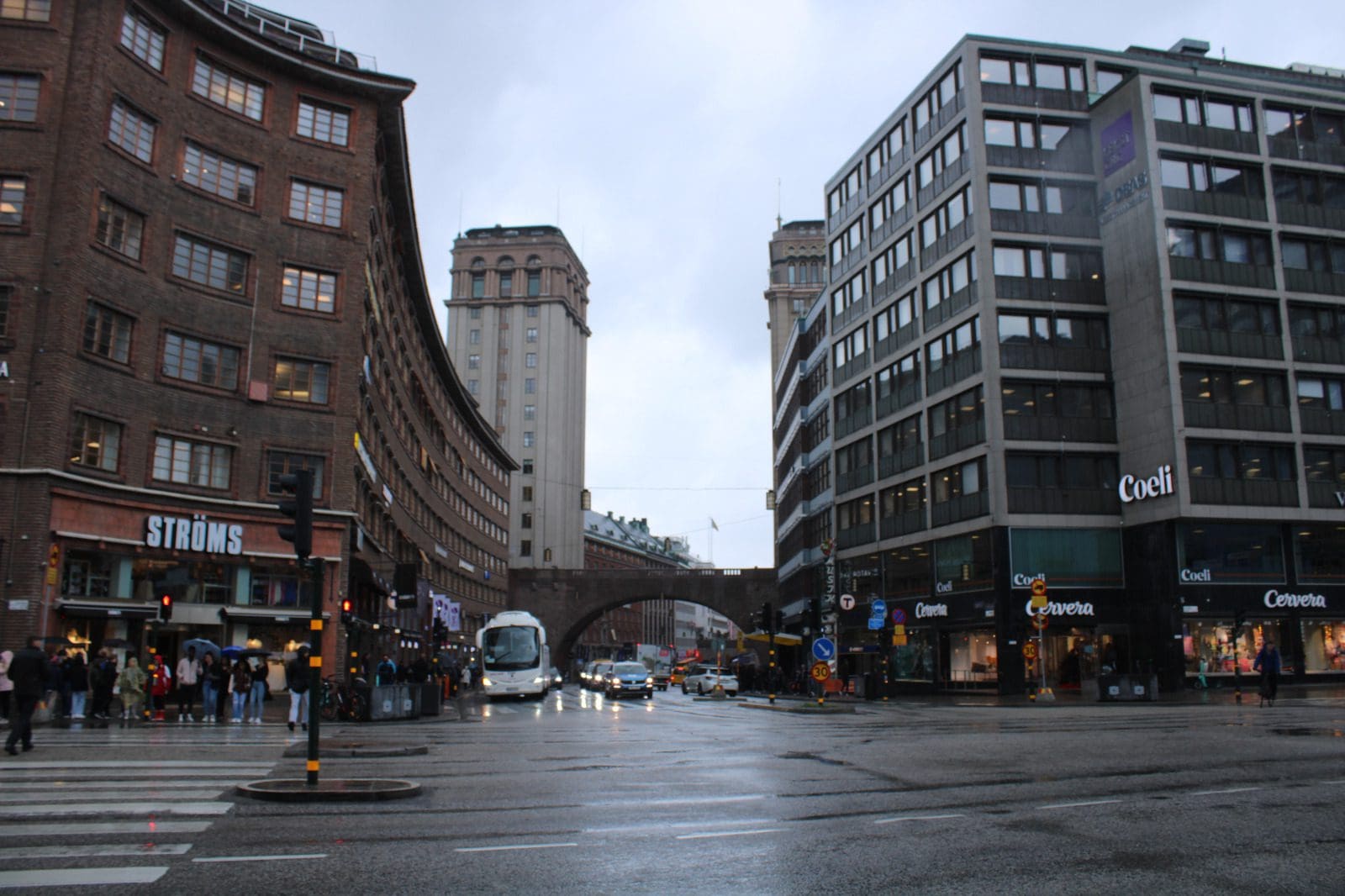
THE people are Swedish and the country is Sweden but like every other country it has its own fair share of Gardens and dens. In this case, my choice of den will be a secluded room for study or relaxation. The city of Stockholm for me became a den of some sort. A place where I could study the past written large on faces and the few places I could manage without getting lost! You do not wander around in a city where the ‘language people cry in’ is Swedish.
I hope your mind is not drifting away to that product called Swedish bitters. I tell you this place wants a better earth for those coming after us. You cannot disagree with Sandell & Öhman when they argued in 2009 “(d)irect encounters with the natural environment have a long tradition in environmental education. Given that the role and character of these encounters are shaped by the approach taken to environmental or sustainability education, there is a risk that a shift towards pluralistic and political approaches will lead to a neglect of nature encounters.” Is this then not a country that knows the talk even if the walk is complex?
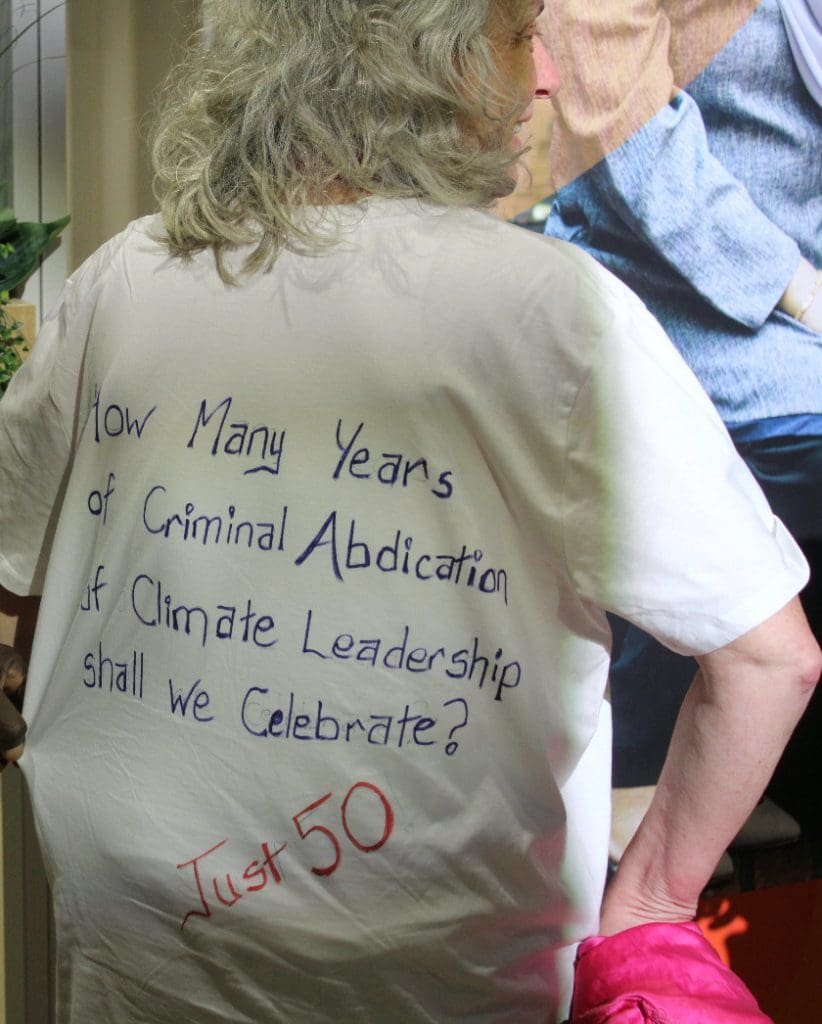
Fifty years ago (precisely 1972), Stockholm played host to the world when United Nations (UN) Conference in Stockholm made the link between environment and poverty and placed it at the forefront of the international agenda. Only cynics will look back and say not much has happened since then.
However, to Nigerians reading this, both the environment and poverty in all ramifications have gone south. The army of economically-marginalised have increased, the despoliation of the land and pollutions of the air and water bodies are at the lowest points in human history.
Therefore, how do I capture the story of individuals and institutions sharing ideas in brief text without the aid of sound bites from an event that took years in planning. Just as an official UN conference took place in a very well appointed location, the People’s Forum for Environmental Justice held from May 31 to June 6, 2022 in a modest location (ABF) now owned by the “Workers’ Educational Association (a section of the Swedish Labour Movement) and it is the largest study association in Sweden.
ABF is a non-governmental organisation based on a clear set of values. ABF is party politically independent but with values that match the labour movement and its aim to counteract the class society.” According to the website of the organisation, “ABF was founded on 16 November 1912, by the Swedish Social Democratic Party and some of the trade unions. Today, the main members of ABF are the Social Democrats and the Left Party.”
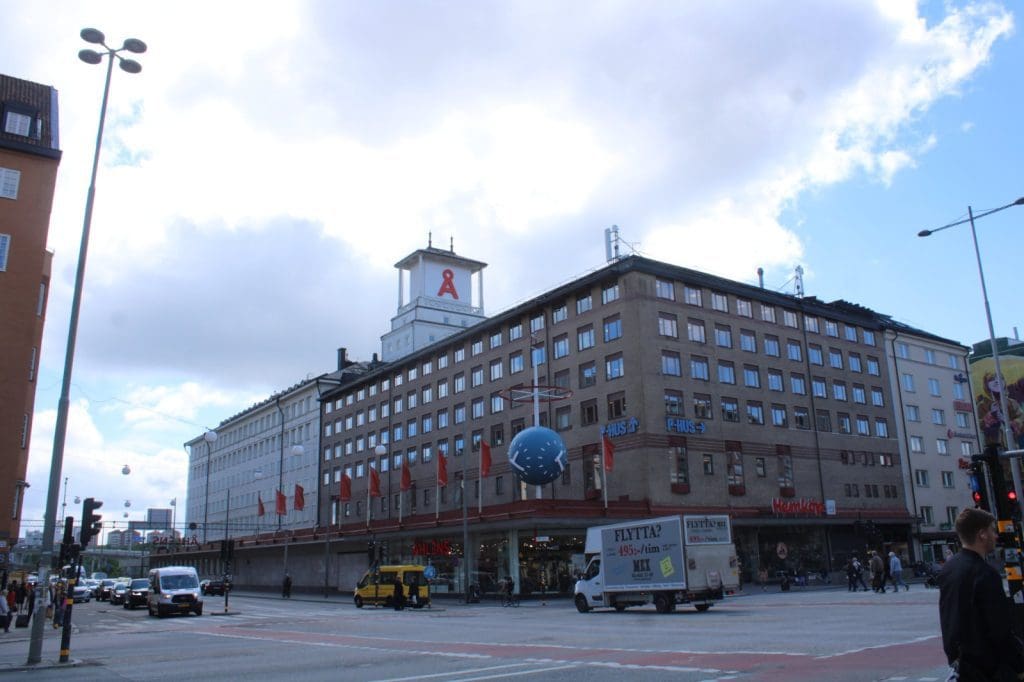
AS you will later observe everything here has interesting stories attached to them. The name Stockholm is a “combination of to “Stock,” coming from the old Swedish word “Stokker,” which means log or pole, and “Holm,” meaning “island or islet.” With the modern day city of Stockholm being spread across 14 different islands and with even more in the archipelago and surrounding area, the “holm part of the name makes absolute sense. It is the Stock part of the name that has become more of a riddle, with a variety of different reasons for it. The main source for all things etymological on Stockholm is a book called Stockholms Gatunamn — which means Stockholm’s street names. The book dedicated a small section to a range of ideas as to why Stockholm became associated with logs.”
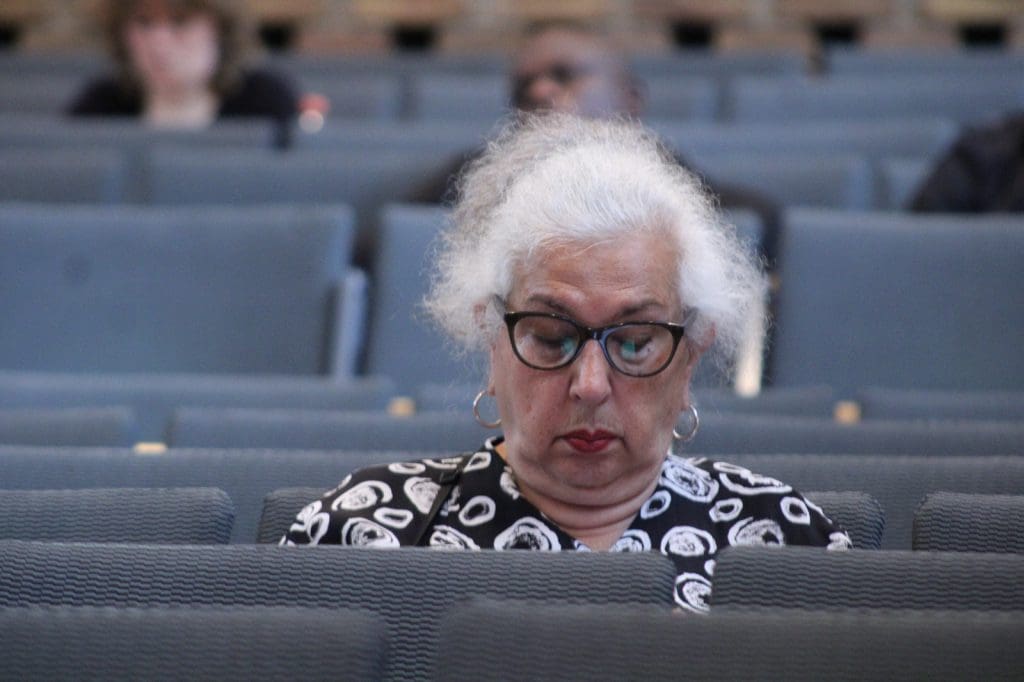
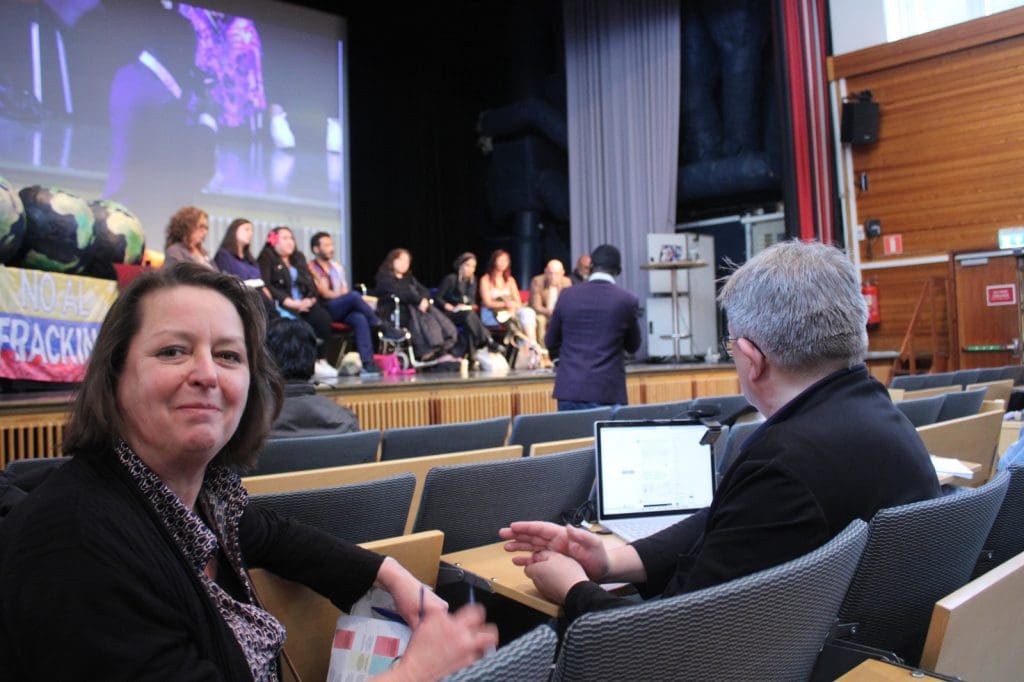
NOW back to the forum of the people there were two people lined up to give eyewitness account of what it was five decades ago. In the audience were a number of Senior citizens who came to grace the occasion. In particular, at the opening ceremony, there was Per Janse, who is a veteran of many environmental struggles. He said he and others were in the same building 50 years ago! He heard the debates and discussions about the impending population bomb. The participants from the Global North ‘accused’ those on the African continent and parts of Asia of just giving birth to children that their resources could hardly cater for. Then the activists and scholars thought population bomb was about to blow the earth apart. That line of thought did not last for too long as it became obvious that the real problem was the small number of people in places like North America and their cousins in Europe ‘eating’ away the resources of the Earth.
The counter arguments brought joy to those who “fought” to change the narrative but what do we have to say about our dear earth at this moment? The breeders are still breeding and those addicted to Fossil fuel have no plans for alternative sources of energy. The big transnational companies have sold the future of the Earth and those on the streets have no clue that the tiny glue holding this terrestrial ball together will gradually melt away without notice.
******
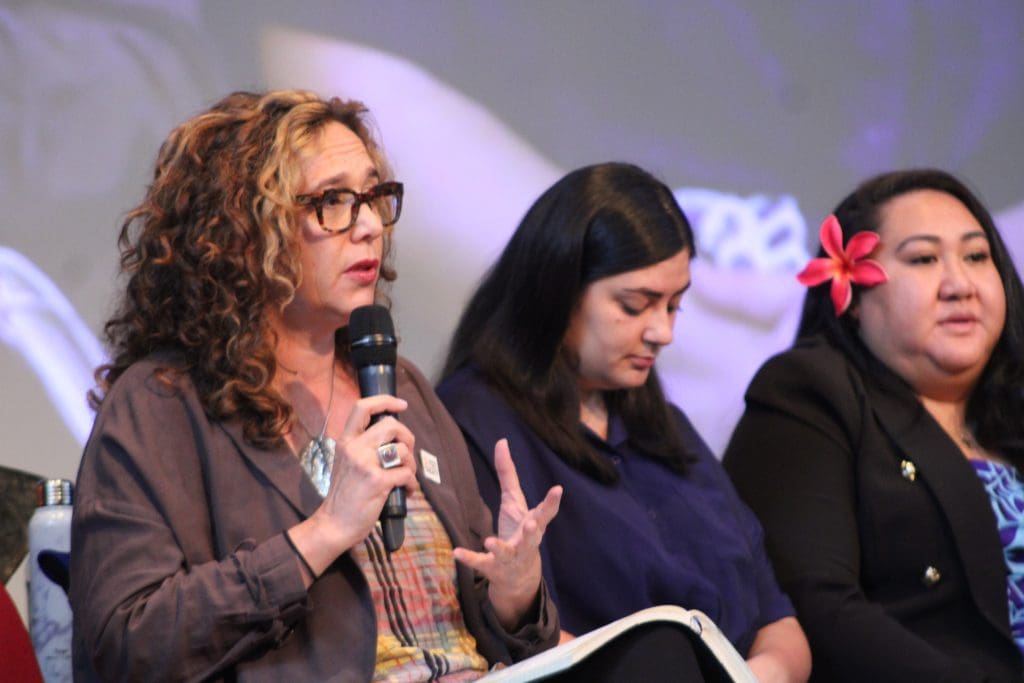
AS if on cue, the very well prepared organisers/facilitators of Fossil Fuel Non-Proliferation Treaty took the stage one after the other. The arrowheads of the treaty all came to Stockholm very prepared. In attendance was Tzeporah Berman who arrived from Canada where among other things she teaches Environmental Studies at the York University, Toronto. In addition, it is said of her that she has been “designing environmental campaigns and working on environmental policy in Canada and beyond for over 30 years. She is currently the International Program Director at Stand.earth and the Chair of the Fossil Fuel Non-Proliferation Treaty Initiative. She is the Co-founder of the Global Gas & Oil Network, the former co-director of Greenpeace International’s Global Climate and Energy Program, and the co-founder of Forest Ethics (now Stand.earth).
Apart from Ms. Berman, Alex Rafalowicz, flew in from Colombia to throw more light on the Fossil Fuel Non-Proliferation Treaty. He is the Executive Director of the Fossil Fuel Non-Proliferation Treaty Initiative and has worked as a policy analyst, campaigner, organiser and strategist for climate justice for 15 years including with the Global Campaign to Demand Climate Justice, the Climate Action Network, and 350. He has worked on digital and electoral campaigns across the Americas, Europe, and Australia. So what was their urgent message? “Climate change, like nuclear weapons, is a major global threat. Bold and immediate action is needed to address the climate emergency. The main cause of the climate emergency is fossil fuels. Coal, oil and gas are responsible for almost 80% of all carbon dioxide emissions since the industrial revolution. Phasing-out fossil fuel production, and fast-tracking progress towards safer and more cost-effective solutions, will require unprecedented international cooperation in three main areas.”
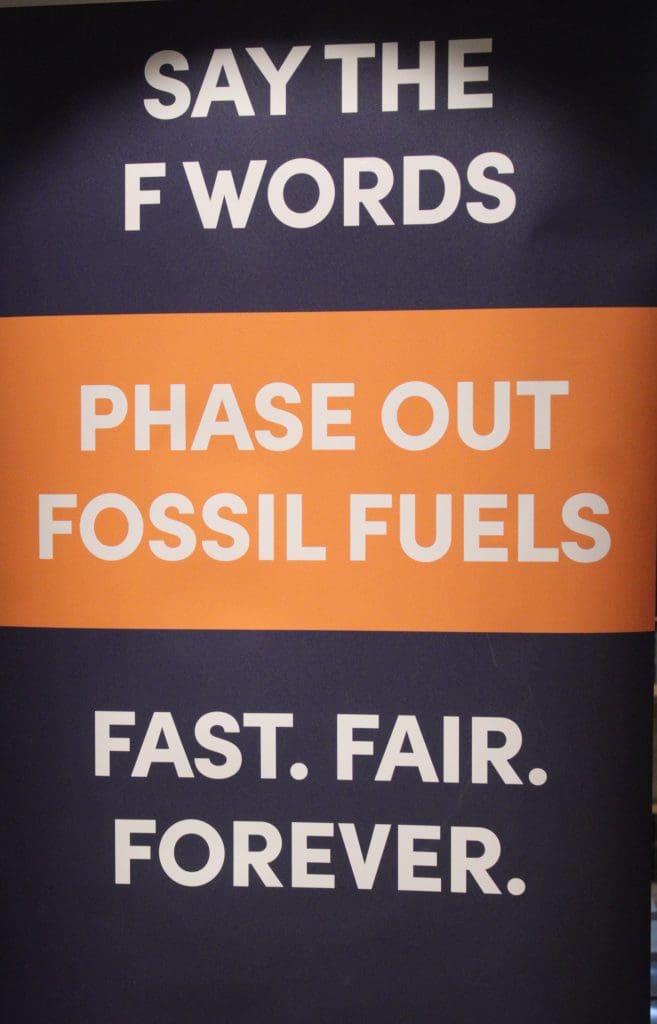
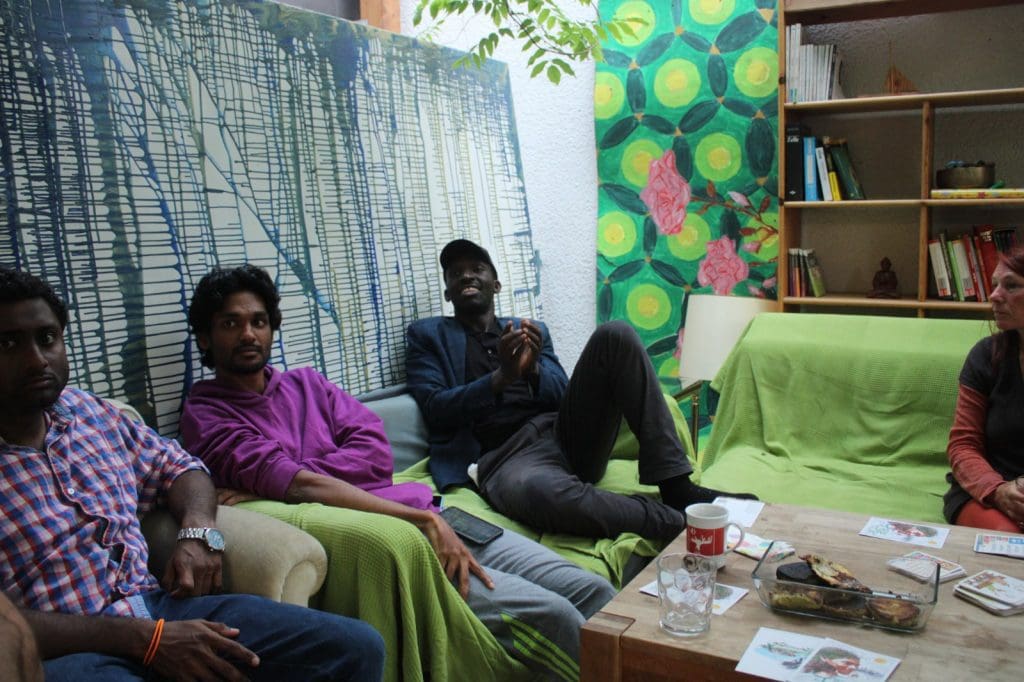
AT another event on Sunday, June 7, organised by indefatigable Ms. Sandra Prufer, Fredrick Ochieng Ouma, of Transparency International Kenya hinted that the expression phase-out is unfavorable to most Oil producing nations. They would rather use ‘phase down’ instead of the immediacy of phase out. However, “the scale of the challenge demands urgent collective action. A peaceful and just transition calls for a clear path and a proactive plan to enable economic diversification, implement renewable energy and other reliable, cost-effective low-carbon solutions, and to support every worker, community and country. We can either intentionally develop new ways to meet our needs or lose the window of opportunity to ensure a safe climate, healthy economy and sustainable future.”
The window of opportunity for Dr. Fadhel Kaboub, president of the Global Institute for Sustainable Prosperity, is very narrow. There is need to first change the system before considering the issues of climate change. He said $2trillion move from the poorest countries to the richest countries. This suction of funds from the poorest countries he terms the neocolonial financial architecture The implication of this is that if the world does not first tackle the financial architecture or the international trade architecture now, the figures of $2trillion will be double or even triple.
The implication is that the world will not be able to make a dent in climate change if we do not simultaneous change the global financial architecture so that money moves in the right direction. In effect, first point to consider is that we cannot have any meaningful conversation about climate change unless we also have a conversation about the economic system that produces these results of imbalance of cash flows. The second point is that the global south is not responsible for climate change when it comes to co2 emissions since the industrial revolution is primarily the global North’s responsibility. The third point is that we are on track to produce and burn 140 percent more of what we are allowed to burn if we are going to meet the challenge of climate change. There is no doubt that Climate Change negotiations have many moving parts and there is no one cap fits all. We have a long road to travel.
As the gathering of harvesters of ideas, the question to ask is if Stockholm+50 offered that promised “opportunity for nations and stakeholders to collaborate, share expertise and address complex interconnecting issues for urgent actions and long-term system change.” The expected outcome was to “identify solutions and actions of a cross-cutting nature to drive implementation through a whole-of-government and whole-of-society approach, leaving no one behind.”
The meeting spaces became gardens of ideas with seeds finding soils. The Stockholm +50 may not have the trappings of the 1992 Rio jamboree but it brought together serious minded activists to help us plot the journey from the precipice that we all have plunged our earth. Now is the time to take action. Will you my readers still sit on the fence?