
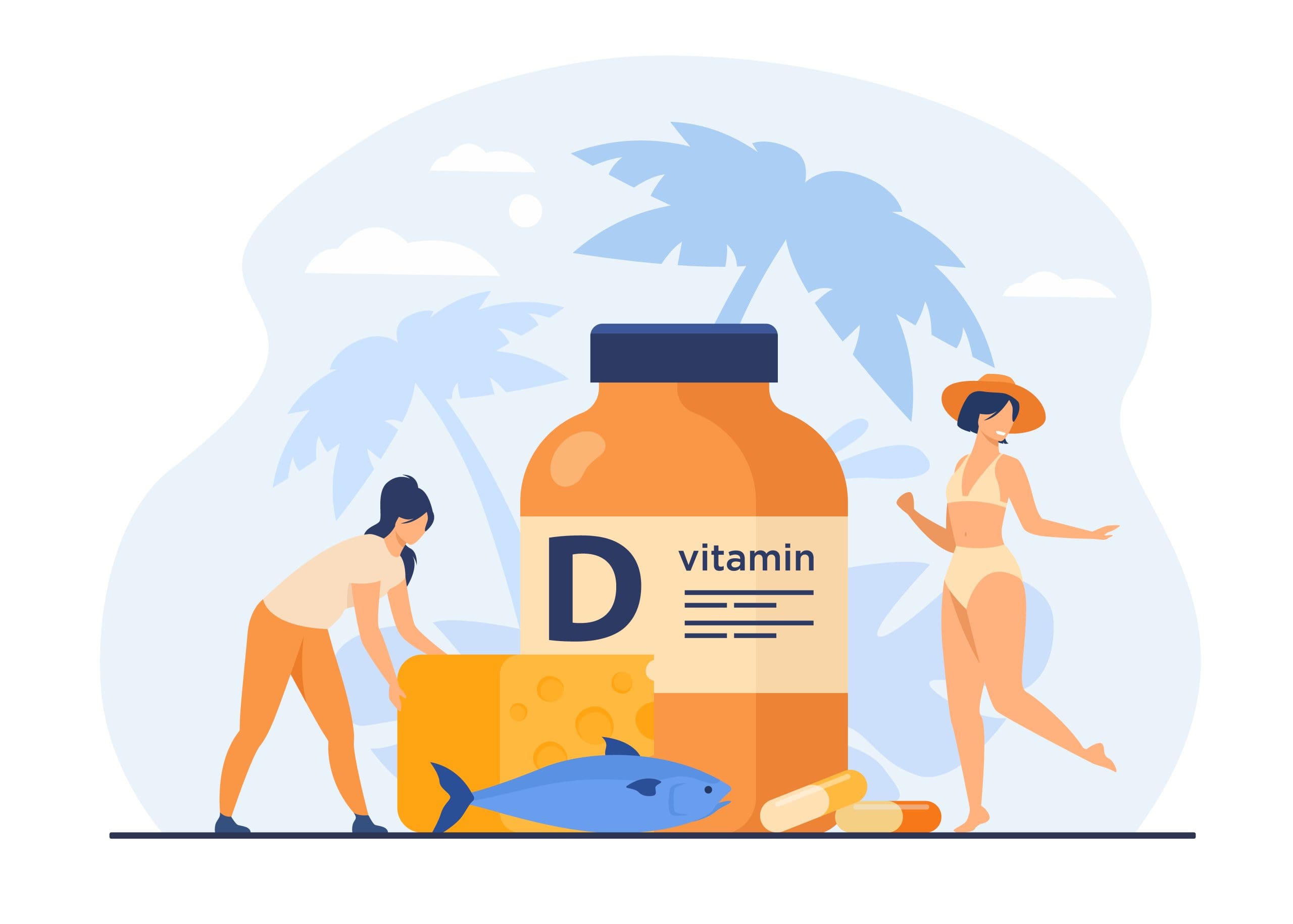

VITAMIN D is an essential fat-soluble vitamin (i.e., it is stored within our fat tissue) and a pro-hormone (i.e., it is converted into a hormone by our body). It has five different substances, two of which are very important to humans and they are vitamin D2 (ergocalciferol) and vitamin D3 (cholecalciferol). Our bodies make this vitamin when our skin is exposed to sunlight and only 10% the body needs is obtained from food.
Benefits
Vitamin D has receptors located within our cardiovascular system, lungs, pancreas, skeletal muscle, skin, and reproductive organs acting to maintain calcium levels in the body. According to research, vitamin D has neuroprotective effects by protecting nervous tissues from oxidative stress, which helps to maintain cognitive function as we age.
Other benefits include:
— Regulation of melatonin and serotonin (two hormones involved in mood).
— Supports healthy bones and prevents osteoporosis.
— Supports the integrity of the gut lining by promoting beneficial bacteria.
— Regulates the production of thyroid hormones.
— Promotes a healthier pregnancy.
— Supports immunity.
Food Sources
Some examples of foods rich in vitamin D are beef liver, cheese, salmon, herring and sardines, cod liver oil, canned tuna, egg yolks, mushrooms, vitamin D fortified foods (cow milk, soy milk, cereal, porridge, juice). It can also be got through supplements and exposure to sunlight.
The daily value (DV) for vitamin D is 800 IU (20 mcg); children and adults (ages 1–70) need approximately 600 IU of vitamin D per day and adults over 70 need at least 800 IU (20 mcg) of vitamin D per day.
It is possible to overdose on vitamin D, being a fat-soluble vitamin. It is rare, but can happen when too many supplements are taken; vitamin D toxicity cannot be gotten from the sun or from eating foods that contain vitamin D. Symptoms include excess calcium in the blood (hypercalcaemia), nausea, vomiting, constipation/diarrhoea, weakness, frequent urination, bone pain, headaches, drowsiness, itching and calcium stones in the kidneys. Very high levels may also lead to low levels of vitamin K2 in the blood.
Deficiency
Research has shown that vitamin D deficiency can be a high risk factor for autoimmune diseases and can be measured with a blood test that measures 25(OH)D, a form of vitamin D3 that has undergone conversion by the liver. It is the most stable form of D3 and also the most abundant form, that lasts several weeks in the body.
Symptoms of vitamin D deficiency include bone or back pain, constant fatigue or tiredness, frequent infections (such as colds or flu), hair loss, low mood or depression, muscle pain, osteoporosis, poor oral health, and skin wounds that take a long time to heal.
References:
Alshahrani F., & Aljohani N. (2013). Vitamin D: deficiency, sufficiency, and toxicity. Nutrients, 5(9):3605-16. doi:10.3390/nu5093605.
Healthline.
Image/ Freepik
Komaroff A.L. (2017). How much vitamin D should I take? Harvard health. https://www.health.harvard.edu/staying-healthy/how-much-vitamin-d-should-i-take?
Vitamin D. National Institutes of Health. Office of Dietary Supplements. https://ods.od.nih.gov/factsheets/VitaminD-HealthProfessional/.

