
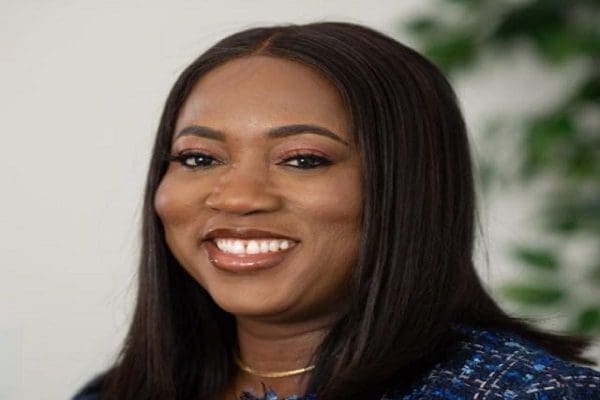

A MARYLAND, United States-based Immigration Law expert, Funmi Akintan, has listed the common Immigration cases Nigerians in America are involved in.
Akintan, in an interview, listed the cases to include adjustment and consular processing, spousal-based filings, parent-child, siblings petition, VAWA cases, K-visas, special immigrant cases involving family members of employee of international organization, abused, neglected, or abandoned children and student visas.
Others, according to her, are religious visas, H-1B, labour certification and citizenship and naturalization-based process with applicants for medical disability waiver.
Additionally, there are cases of removal and deportation proceedings.
On immigration law, Akintan said: “Most applicants for immigration related services are migrants. They need to be guided within regulatory measures. In practice, I see many people suffer the consequences of gross misinformation and documentation-related challenges. I want to change this narrative by taking preventive and not curative measures to address the concerns of clients. I understood very early in life – thanks to my parents, that “knowledge is power”, and more importantly, a stitch in time saves nine! It is imperative that folks should understand that the U. S. immigration process is not all about filling forms. It involves very intricate aspect of the Immigration and Nationality Act, which seasoned immigration attorneys can help with.”
On the contributing factors to Nigerians trooping to the U.S., she said: “ Even a newborn baby knows why Nigerians are leaving the country. Seriously, Nigerians are tired. Yes, they are resilient, but there is always a breaking point. For example, the ENDSARs protest is a tip of the iceberg if something is not done. Enough of the “hand out” from leaders. Rather, teach the people how to fish, provide good education like my mother and many others fought for. It is possible to transform the country, a synergy, a collaboration of all the stakeholders is imperative. One man cannot do it. Elected officials must do away with policy congruency, engage the citizenry in productive dialogues and provide the wherewithal to move the nation forward. The number of those leaving Nigeria for greener pasture is on the rise.
“Today, many are leaving because they lack faith in the leadership and governance, insecurity pervades the light, human right practices are on the rise, unemployment has become the norm, poor educational systems, incessant school closures; lack of social amenities, a legal system characterized with impunity are drivers of migration in Nigeria. Ordinarily, people just want a decent life. Why is this so difficult to ask? When you think about it, when the same breed of Nigerians steps out to western economies, they excel, our students do so well. As an adjunct professor at the School of Business and Graduate Studies, Bowie State University, many international students particularly Nigerians are doing so well and move on to great employment. We need to replicate this in Nigeria. Studies show that Nigerian migrants are well-educated, industrious and are a huge contributing member of the society. They are one of the most successful ethnic groups in the United States. Someone said about the Nigerian community, ‘you cannot throw a stone without hitting someone with master’s degree”- Doctors, lawyers, engineers, professors’.
“According to the Migration Policy Institute, 61 percent of Nigerian Americans over the age of twenty-five hold a graduate degree, compared to 32 percent of the U.S born population. The 2016 American Community Survey found that 45 percent of Nigerian American professionals work in education services of which a sizable number are professors at top universities. Nigerian-born professionals have distinguished themselves in various social classes. For example, Dr Bennet Omalu, a forensic pathologist is helping fix hits to the brain; he was the first to discover and publish on chronic traumatic encephalopathy in American football players. ImeIme A. Umana, the first Black woman elected president of the Harvard Law Review is Nigerian-American. There are many successful Nigerian entrepreneurs who would love to give back to their country of origin. Please let us give them a chance, and together, make Nigeria a praise in the earth. In my practice, I know many who yearn and long for “home.” It is time to ensure that a major contribution to the U.S. economy does not translate into a huge loss for Nigeria as a whole.”

