
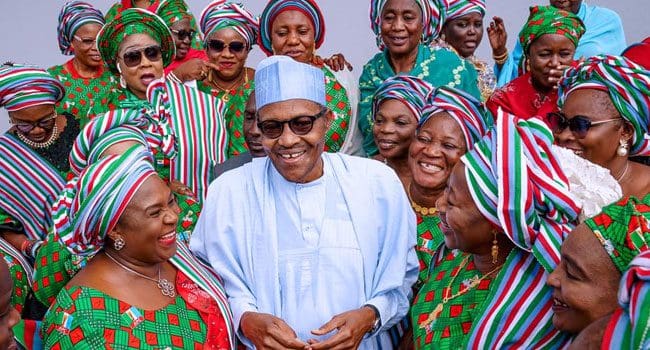

IN Nigeria, gender equality remains a challenge despite some the government efforts to address the challenge.
A recent report by Afrobarometer, a pan-African, non-partisan survey research network, revealed that the female gender in Nigeria are less likely than their male counterpart have post-secondary education and are less than half as likely as the men to say they have control over how household money is spent.
According to the report, popular support for gender equality is limited, especially among men. When it comes to hiring, land ownership, control over key assets, and participation in household financial decisions, women remain at a disadvantage compared to men.
The survey note that the female gender are less likely than the men to report equal opportunities in hiring, though they are more likely than the men to say they enjoy the same rights to land ownership and inheritance.
The survey respondents in the northern part of country say they are less likely than those in the South to say they enjoy equal rights in hiring but more likely to see land rights as equal.
While more than six in 10 respondents (61 per cent) say the female gender should have the same opportunity as the men in terms of being elected to public office, many also consider it likely that the female candidates will suffer criticism and harassment.
According to the survey analysis, only one-fourth (26 per cent) of the respondents say the government is doing a “fairly” or “very” good job in terms of promoting equal rights and opportunities for the women. Most respondents say the government is doing a poor job of promoting women’s rights and opportunities.
The survey findings showed significant gender imbalances in the country, indicating that the women are less likely than the men to have post-secondary education (17 per cent as against 29 per cent) and more likely than the men to have no formal schooling (20 per cent as against 12 percent).
“Women are less than half as likely as men to say they have control over how household money is spent (22 per cent as against 56 percent). Slim majorities say women should have the same rights as men to get a paying job (53 per cent) and to own and inherit land (51 per cent).
“Men are far less likely than women to endorse gender equality in hiring and land rights. Fewer than half of the respondents say that in practice, women enjoy equal rights when it comes to getting a job (43 per cent) and owning/inheriting land (30 per cent),” part of the report reads. Along with its partners in Nigeria, led by NOIPolls, Afrobarometer conducts face-to-face interviews in the language of the respondents’ choice. So far, eight survey rounds in about 39 countries have been completed since 1999, with round nine survey (2021/2022) currently underway.
Previous surveys were conducted in Nigeria in 1999, 2002, 2004, 2008, 2012, 2014, 2017, and 2020.

