

1. Democrats looking to consolidate in Congress
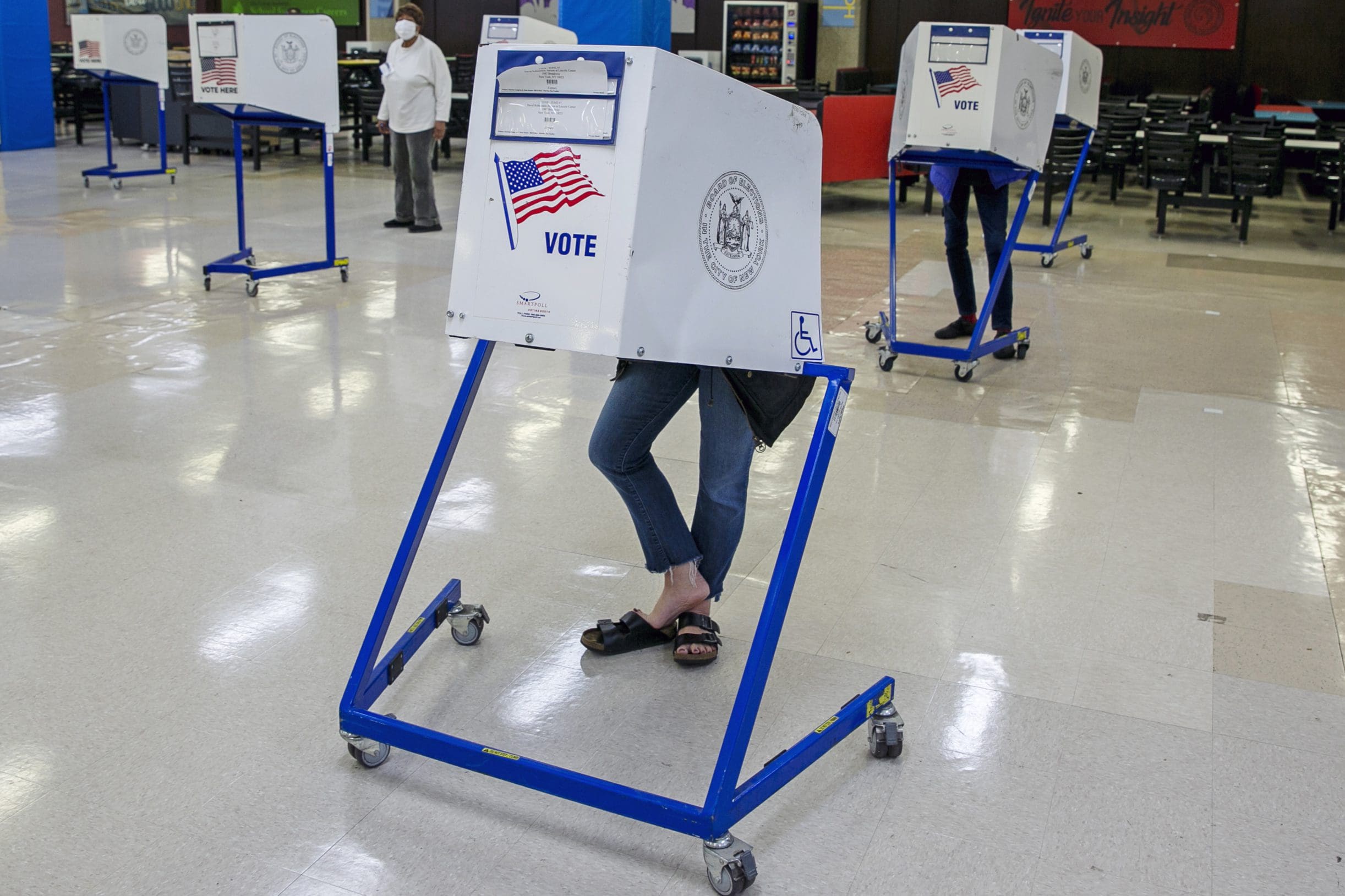
Next Friday, Americans will vote in the midterm elections. Millions have already voted using the early voting system. Though President Joe Biden is not on the ballot, it is like a referendum on his term so far.
So, Democrats are hoping to retain control of the House of Representatives and the Senate where. Currently, the Senate is marginally controlled by the Democrats. On January 20 last year, Vice President Kamala Harris swore in three members to give the party a narrow grip on both houses of Congress and the White House for the first time in a decade. Harris’ vote offers the Democrats the tie-breaking vote to establish a majority in the Senate, with Charles Schumer becoming the majority leader and Mitch McConnell the minority leader. During midterms in time past, the party in power always loses seats in the House of Representatives during the first term of a new president. Democrats are hoping student loan forgiveness and the Supreme Court decision in June to overturn Roe v. Wade, which established the constitutional right to an abortion, among other decisions will help them change the trend. Controlling the Congress is essential for Biden because it will determine the success of his plans sailing through.
2. 36 governors, 435 Reps and 35 senators
36 states are electing governors, 435 House of Representatives seats are up for grabs and 35 Senate seats are being contested in the U.S. Senate.
3. Concerns about partisan electoral officials
The midterm elections are being rocked by concerns over the use of partisan officials to conduct the exercise. According to Dr. Pippa Norris, the world’s second-most-cited political scientist and comparative politics lecturer at the John F. Kennedy School of Government at Harvard University, the presence of these partisan officials introduces weakness. Norris fears electoral disputes will increase with such a situation. She likened the situation to “heading toward the iceberg. We can all see this iceberg. We know what’s going to happen and we can’t turn it around”. She added that non-partisan electoral officials are being threatened and forced to leave the job “because why would you be a public servant if you’re going to get threats to yourself and to your family and to your home”.
4. Battleground States
The battleground states are Georgia, New Hampshire, Pennsylvania, North Carolina, Wisconsin, Florida, Ohio, Arizona, Nevada, Iowa, and Utah.
5. Alleged voter suppression in Texas
In Texas, the concern is about voter suppression. And a law known as Senate Bill 1 is being blamed for it. The law makes it harder for voters with language barriers or disabilities to cast their ballots. The law was signed by Governor Greg Abbott, who, according to a poll, is leading Democratic challenger Beto O’Rourke by 7 points in a state that is traditionally Republican. The law also bans 24-hour and drive-thru voting. It makes compensating people who help voters with limited English proficiency, disabilities, or limited literacy criminal. The law also makes it a crime for election officials to encourage eligible voters to apply to vote by mail. Poll workers who try to stop partisan poll watchers from harassing or intimidating voters risk criminal prosecution. A law suit has been instituted to stop the law.

