

As we approach the 10th Africa Magic Viewers Choice Awards, I am reminded once again of the profound privilege and responsibility that comes with the role of the jury. Each film we watch, each debate we engage in, and each decision we make is a testament to our commitment to excellence, our dedication to the craft, and our passion for storytelling. And at the heart of it all lies the art of “reading a film” – a skill that not only defines our judgment but also honors the transformative power of cinema itself
To “read a film” transcends mere viewing; it involves a deep understanding and appreciation of the art and craft of filmmaking. It requires a keen eye for detail, an acute sensitivity to nuances, and an intuitive grasp of the filmmaker’s intentions. When a jury member reads a film, they unravel its layers, decode its symbolism, and immerse themselves in its narrative, cinematography, sound design, and performances…
OVER the past decade, I have had the privilege of working with many esteemed professionals across the continent to uphold the integrity and values of the prestigious Africa Magic Viewers Choice Awards (AMVCA). The meticulous criteria for judging entries, the intricate layers of reviewers, and the oversight by the official auditors Deloitte have provided a structured framework. However, it is the ability of each jury member to “read a film” that remains the crucial X-factor in ensuring that only the finest works are recognized and rewarded.
In a world inundated with content, where the line between art and commerce often blurs, the art of reading a film becomes ever more crucial. It is a skill that elevates award judging from a subjective preference to an informed evaluation, from a popularity contest to a celebration of artistic merit. It is through the lens of “reading a film” that we honor the filmmakers, actors, writers, and technicians who pour their hearts and souls into creating cinematic masterpieces that enrich our lives, provoke our thoughts, and stir our emotions.

To “read a film” transcends mere viewing; it involves a deep understanding and appreciation of the art and craft of filmmaking. It requires a keen eye for detail, an acute sensitivity to nuances, and an intuitive grasp of the filmmaker’s intentions. When a jury member reads a film, they unravel its layers, decode its symbolism, and immerse themselves in its narrative, cinematography, sound design, and performances. They assess not just what is explicit on the screen, but also what lies beneath – the subtext, the subliminal messages, and the artistic choices that shape the film’s impact on the audience.
Reading a film demands more than technical proficiency; it calls for emotional intelligence and cultural insight. A jury member must be attuned to the social context in which a film is created, understanding the cultural references, historical influences, and contemporary relevance that inform its storytelling. They must empathize with the characters, discern the filmmaker’s perspective, and evaluate the film’s contribution to the cinematic landscape. In essence, reading a film is a blend of art and analysis, intuition and intellect, subjectivity and objectivity.
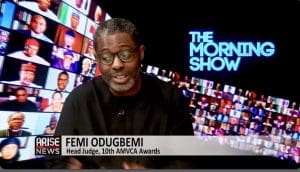
As head of the 10th Anniversary AMVCA jury, I have witnessed firsthand the transformative power of “reading a film.” It is this ability that enables me and my colleagues to distinguish between mere entertainment and cinematic excellence, between superficial glamour and profound storytelling. It is this nuanced understanding that guides our selection process, ensuring that our nominations reflect not just technical proficiency but also artistic vision, thematic resonance, and emotional impact.
As we approach the 10th Africa Magic Viewers Choice Awards, I am reminded once again of the profound privilege and responsibility that comes with the role of the jury. Each film we watch, each debate we engage in, and each decision we make is a testament to our commitment to excellence, our dedication to the craft, and our passion for storytelling. And at the heart of it all lies the art of “reading a film” – a skill that not only defines our judgment but also honors the transformative power of cinema itself.

