

The National Theatre is more than concrete and steel. It is the people’s palace—a space that should reflect the soul, struggles, and splendour of the Nigerian people… To restore its relevance, we must return it to those who animate its stage and spirit. The future of our national cultural identity depends on it
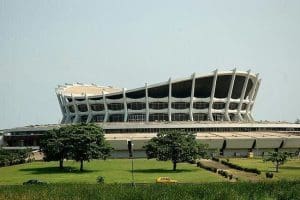
FEW structures in Nigeria carry as much symbolic weight as the National Theatre in Lagos. Erected in the 1970s ahead of FESTAC ’77, it was conceived as a proud monument to Nigeria’s artistic prowess and pan-African identity—a home for the celebration and promotion of our cultural heritage. Today, that vision is fading, and the building, once a pulsating hub of artistic innovation, risks becoming a relic of forgotten dreams.
Yet the National Theatre still holds enormous potential—not just as a building, but as a living, breathing embodiment of Nigerian cultural identity. But to fulfil that potential, a bold shift is needed. The theatre must be run by those who understand the terrain: the stakeholders, the culture workers, and committed financial institutions with a long-term vision.
The Soul of Nigeria’s Cultural Identity
Culture is not a luxury. It is the essence of how a people see themselves, express themselves, and shape their future. From film, music and theatre to dance and spoken word, Nigerian culture has long served as a vehicle for unity, resistance, healing, and celebration.
The National Theatre was built to house this soul. But decades of underfunding, mismanagement, and exclusion of core culture professionals from key decisions have left it disconnected from the very people it was meant to serve.
To continue relegating culture workers to the sidelines in conversations about the theatre’s future is to ignore the heartbeat of the building. No amount of renovations or branding can revive the National Theatre without the people who give it meaning.
Why Culture Workers and Stakeholders Must Lead
Those in the cultural ecosystem—playwrights, performers, producers, directors, designers, educators—have kept Nigeria’s creative industry alive, often with little institutional support. They know what stories need to be told, how audiences engage, and what resources are essential for sustainability.
Placing the theatre under their stewardship is not just symbolic—it is practical. It means involving professional guilds, unions, and collectives in decision-making. It means developing programming that reflects the diversity and dynamism of contemporary Nigeria. It means grounding the theatre’s operations in cultural realities, not bureaucratic abstractions.
This approach will also energize young talents and creative entrepreneurs who have found expression in unconventional spaces due to lack of access to national infrastructure.
The Role of Financial Institutions
Financial institutions have a critical role to play—but not as landlords or absentee sponsors. They must become co-investors in the growth of the creative economy. The National Theatre can be more than a venue; it can be the centerpiece of a thriving cultural and economic ecosystem—one that includes film, music, festivals, tourism, training, and innovation.
Banks and development partners must be encouraged to see the arts as assets—not charity. Strategic funding partnerships, investment in creative infrastructure, artist-friendly loan structures, and endowments for cultural initiatives can turn the National Theatre into a viable and sustainable engine of national development.
This model of collaboration—between culture workers, stakeholders, and forward-thinking financial institutions—can spark a renaissance not just for the National Theatre, but for the creative industry as a whole.
Conclusion
The National Theatre is more than concrete and steel. It is the people’s palace—a space that should reflect the soul, struggles, and splendour of the Nigerian people.
To restore its relevance, we must return it to those who animate its stage and spirit. The future of our national cultural identity depends on it.
Let me know if you want this formatted with a byline, professional bio, or adapted further for a specific outlet or magazine.
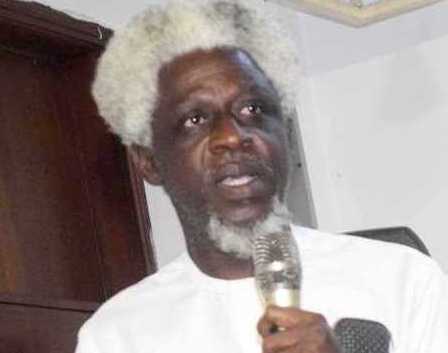
- Makinde, fta, is President of National Association of Nigerian Theatre Arts Prctitioners, NANTAP

