
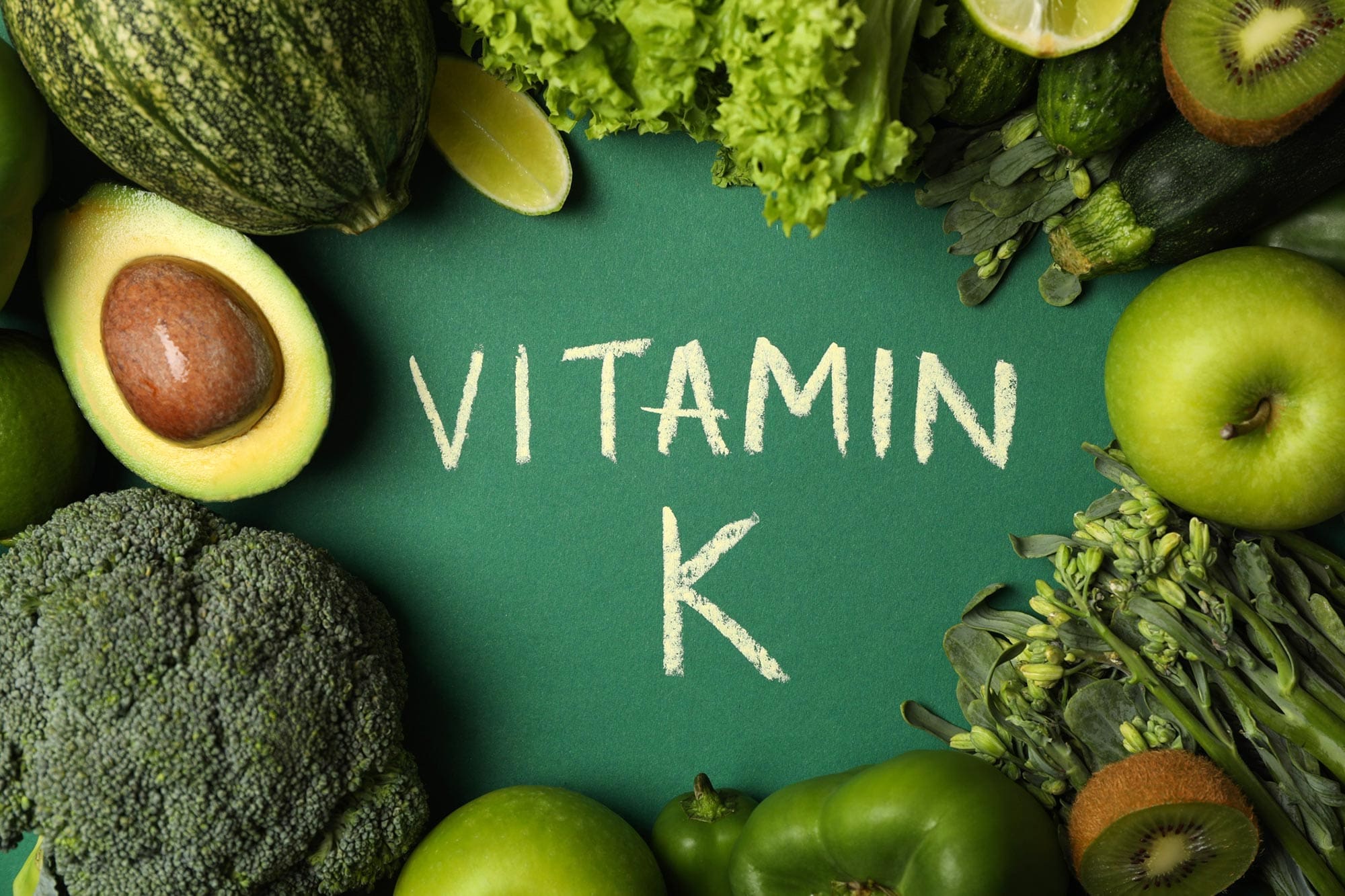

VITAMIN K is a two-fat-soluble compound best known for its blood clotting role in the body. Of the two compounds, phylloquinone is the main type found in green leafy vegetables while the other menaquinone is found in some animal and fermented foods.
It is found throughout the body including the liver, brain, heart, pancreas, and bone, and is broken down very quickly and excreted in urine or stool. It rarely reaches toxic levels in the body as may sometimes occur with other fat-soluble vitamins, even with high intakes.
Benefits
Vitamin K helps to make four of the 13 proteins needed for blood clotting. Blood clotting stops wounds from continuously bleeding to hasten healing. It is also involved in the formation of proteins for the bones, including osteocalcin, which is needed to prevent the weakening of bones.
Some research studies show that vitamin K is involved with the production of matrix Gla proteins (MGP), which help to prevent calcification or hardening of heart arteries contributing to heart disease.
Food Sources
Some examples of foods rich in vitamin K are green leafy vegetables (including collard and turnip greens, kale, spinach, broccoli, Brussels sprouts, cabbage, lettuces), soybean and canola oil, salad dressings made with soybean or canola oil, fortified meal replacement shakes, and natto (fermented soybeans). It is best to eat vitamin K foods with some fat to improve absorption because it is a fat-soluble compound.
The Adequate Intake (AI) amount for vitamin K is 120 micrograms (mcg) daily for men and 90 mcg for women and for those who are pregnant or lactating.
Deficiency
Vitamin K deficiency in adults is rare, but it is common in people with medical conditions associated with fat malabsorption and may occur in people taking medications that block vitamin K metabolism, such as antibiotics. A deficiency is possible in newborn infants because it does not cross the placenta, and breast milk contains a low amount.
The most common symptoms of a vitamin K deficiency include longer blood clotting time or a prolonged prothrombin time (as measured by a physician), bleeding, haemorrhaging, and osteopenia or osteoporosis.
References:
Harvard School Of Public Health: The Nutrition Source-Vitamin K Vitamin K | The Nutrition Source | Harvard T.H. Chan School of Public Health

