

THE United States Department of State and Department of Homeland Security have announced additional measures to manage border through deterrence, enforcement, and diplomacy.
With the support of the Department of Defense and multiple countries across the Western Hemisphere, the departments are implementing the measures within the constraints of a broken immigration system that “Congress has repeatedly failed to fix, including by not acting on President Biden’s comprehensive immigration reform proposal, bipartisan legislation to protect Dreamers and farm workers, or repeated requests for additional resources”.
Here are the measures:
1. Opening the First Regional Processing Centers to Direct Individuals to Lawful Pathways
The State Department plans to open about 100 regional processing centers at key locations in the Western Hemisphere, and in the coming days will launch an online platform for individuals to make appointments to arrive at a center near them. Over 140 Federal personnel, including from DHS and State, and personnel from the International Organization on Migration and the United Nations High Commissioner for Refugees are being deployed to support these brick-and-mortar centers, which will serve to direct migrants to lawful pathways early in their journey and well before reaching the southwest border. Personnel at Regional Processing Centers will screen individuals for eligibility for U.S. refugee resettlement or other lawful pathways to the United States, Canada, and Spain.
2. Deploying First Group of Additional Troops to Support Border Patrol
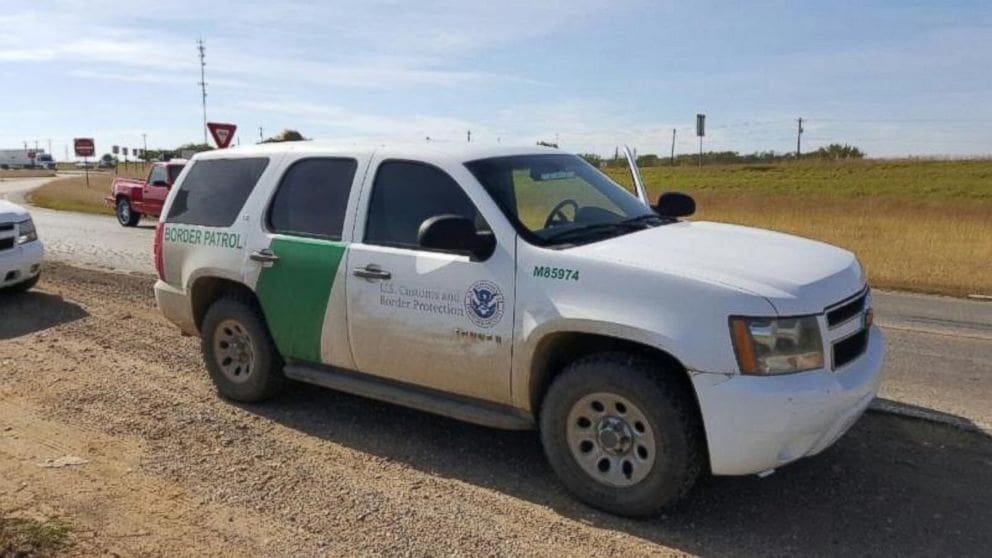
550 U.S. military personnel will be in place from Wednesday, starting in El Paso, to begin supporting U.S. Customs and Border Protection (CBP) at the southwest border. They will join the 2,500 National Guard troops already supporting CBP at the border. These additional troops will provide administrative support at CBP facilities, including data entry, warehousing assistance, and augmenting CBP surveillance and detection activities so that CBP agents and officers can get out in the field to secure and humanely manage the border. The remaining 1,000 troops will be announced soon and will include Army, Marine Corps, and Air Force personnel.
3. Additional Resources to Manage Increased Encounters
To humanely manage increased encounters, CBP and U.S. Immigration and Customs Enforcement (ICE) are further expanding detention capacity, ramping up removal flights, and shifting agents and officers to high-priority regions along the southwest border. This week CBP opened two new holding facilities, and the Department of Health and Human Services (HHS) is increasing its bed capacity to prepare for a potential increase in unaccompanied children. DHS also launched targeted enforcement operations in high-priority regions along the border, including El Paso, to quickly process migrants and place them in removal proceedings. DHS last week also announced over $250 million in additional assistance for communities receiving migrants.
4. Expanding Access to the CBP One App
DHS will transition the CBP One App to a new appointment scheduling system on May 10 to enable improved access to this orderly process for seeking asylum into the United States. Under the new system, noncitizens will have additional time to request appointments and, if allocated an appointment, will have additional time to confirm that appointment. When allocating appointments, CBP will work to prioritize noncitizens who have waited the longest. This change will give noncitizens more time to navigate the appointment scheduling app, and therefore help ensure that noncitizens with limited connectivity have meaningful opportunities to schedule appointments to present themselves at southwest border ports. In addition, CBP will also increase the number of available appointments available each day.
5. Issuing New Rules to Encourage Migrants to Use Lawful Pathways
The Biden-Harris Administration has led the largest expansion of lawful pathways for protection in the United States in decades. DHS and DOJ will be issuing a final rule to encourage individuals to use those lawful pathways instead of seeking to enter the United States between ports of entry without prior authorization along the southwest border. This rule is critical to creating an orderly process to seek protection in the United States at a time when Congress refuses to reform broken immigration laws or provide the necessary funds to hire sufficient asylum officers and immigration judges to process claims.
6. Ramping Up Efforts to Counter Misinformation. Smugglers have stepped up their efforts to falsely claim the border is open in order to profit off vulnerable migrants. In response, the Department of State and DHS are stepping up their efforts to counter this misinformation, including by launching additional digital advertising campaigns in Central and South America, and in the Caribbean. This campaign will communicate clearly that individuals who unlawfully cross the U.S. southwest border will be presumed ineligible for asylum under new regulations, will be subject to expedited removal, and will be barred from reentry to the United States for at least five years, if ordered removed. The Department of State is also amplifying information about lawful migration pathways and efforts to address the root causes of migration. This information is broadcast via social media, newspapers, television, and radio in high-out-migration areas across the region.

