
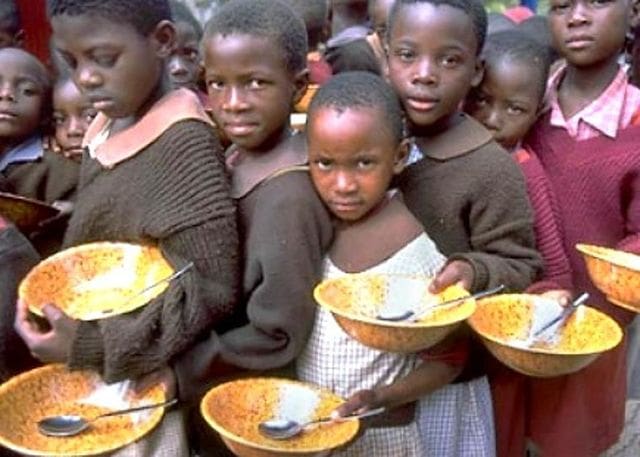

Nigeria stands at a critical crossroads as poverty levels continue to rise, with the World Bank projecting a sharp increase by 2026. This troubling forecast reflects the harsh economic realities faced by millions of Nigerians, from rural communities to urban centers, where the cost of living is rising relentlessly and basic necessities are becoming increasingly unaffordable.
Although government officials dismiss such pronouncements as not recognising recent gains in the economy and the point that it would take some reasonable time for the reforms initiated by the current administration to start yielding fruits, analysts insist that the situation on the ground gives some credence to the Bretton Wood institution’s forecast; and might become a reality if nothing urgent happens.
Even without referencing the World Bank’s assessment, the worsening poverty situation in the country is evident. The cost of goods and services continues to climb, yet most people’s incomes have remained stagnant or, in some cases, have declined. As inflation rises, regular earnings are losing value, making it increasingly difficult for households to meet basic needs.
The daily struggles of Nigerians are compounded by a heavy tax burden that seems disconnected from the quality of public services and infrastructure provided. Citizens pay various taxes and utility bills – electricity, water (where provided), and transportation – often without receiving commensurate benefits. Government hospitals lack essential drugs and personnel, schools are in disrepair, and roads remain deplorable, making access to healthcare and education difficult and costly. These conditions deepen poverty and force many into desperate circumstances.
While global factors such as oil price fluctuations and international economic policies contribute to Nigeria’s financial challenges, the root causes lie within the country’s governance and policy frameworks. Inflation remains high, and despite some reduction in fuel prices, the cost of goods and services continues to climb. This disconnect points to systemic issues, which include poor infrastructure, ineffective regulation and the unchecked activities of middlemen who aggravate price hikes.
For decades now, the Bretton Wood institutions – the International Monetary Fund (IMF) and World Bank – have been dictating the economic direction of the country, making damning projections and raising advisories that often end up worsening the economic situation of the country and pushing the country into massive debt burdens for which the trickling incomes are used to offset. Unfortunately, the country’s financial managers seem to defer to these institutions in spite of the experiences that do not seem to help the ever-tottering economic trajectory.
There is a growing consensus that Nigeria must look inward for solutions rather than relying heavily on external institutions like the World Bank and IMF. Instead, Nigeria’s policymakers should prioritise homegrown economic strategies developed by local experts who understand the terrain and the people’s needs. Listening to indigenous voices and implementing policies that reflect local conditions will be key to reversing the poverty trend. It was high time the government came to terms with the fact that these foreign financial institutions often impose policies that do not align with Nigeria’s unique socio-economic realities.
Government accountability and responsiveness are therefore paramount. While the current administration has shown some willingness to address economic issues more proactively than its predecessor, much remains to be done. Effective policy formulation must be matched by rigorous implementation, regulation and enforcement to ensure that benefits reach the populace. This includes controlling profiteering by middlemen and curbing corruption and greed within government agencies.
Although Nigeria’s economy had remained epileptic before the present administration took the reins, the removal of petroleum subsidies and floating of the local currency caused a sharp rise in the cost of petroleum motor spirit (PMS) and a drop in the value of the Naira. The effect of the simultaneous policies spiraled across other sectors affecting the prices of goods and services. The rise in transportation costs particularly affected the cost of food items, worsening the state poverty and increasing hunger across the land.
Even as there are marginal improvements in the cost of fuel and stability in the foreign exchange market, coupled with some policy interventions aimed at subsidizing essential sectors and reducing taxes in others, prices keep rising, not responding proportionately to improvements in the causative factors. This is symptomatic of the greed within the system and laxity in monitoring, price control and enforcement of consumer protection legislation. It is this laxity that has enabled profiteers to take advantage of the vulnerable public who have no option but to follow the markets.
Nigeria’s rising poverty levels demand a multifaceted approach: one that combines honest self-assessment, homegrown economic innovation, strengthened infrastructure, and robust governance. Government must begin to briskly walk the talk of diversification if it hopes to get out of the present economic quagmire. With a growing population that has outpaced its income levels, the government must do more than rely on the proceeds of crude oil to run its systems and provide for the welfare of its citizens. Attention must focus on promoting agriculture, manufacturing, technology and services sectors. It should facilitate trade by reducing trade barriers, streamlining trade processes and liberalising key sectors such as energy and telecommunications to attract private investment and foster competition. Transport and power infrastructure are critical areas that government should Invest in transport to integrate markets, reduce bottlenecks and increase productivity.
The government should continue implementing its tight monetary policies to control inflation and maintain price stability, maintain a flexible market-reflective exchange rate to boost competitiveness and reduce parallel market distortions and enforce fiscal discipline by reducing non-essential spending, eliminating wasteful subsidies and improving transparency and accountability in government expenditure.
With one of the most active populations in the world, a deep focus on human capital development can be a catalyst to speedy growth attainment which means government must invest heavily in education reform to make the system more functional and aligned with labor market needs, including vocational training and skills development; improve healthcare to boost workforce productivity; Foster collaboration between government, private sector, and academia to bridge skills gaps and promote innovation; and recognise human capital as the key asset for sustainable growth and poverty reduction. Government must make conscious efforts to create jobs by enabling those sectors with high capacity for employment.
Serious governance and institutional reforms must be at the centre of these all if government has to achieve results. Government must Strengthen governance by enhancing transparency, reducing corruption, and improving public sector performance, enforce regulatory reforms to improve the business environment and reduce the cost of doing business, establish robust implementation frameworks with clear accountability and citizen engagement to ensure effective policy execution, collaborate with regional and international bodies to access financial resources, expertise, and new markets and attract foreign direct investment through stable and predictable policies and incentives. These prescriptions can harness its vast human and material resources to achieve inclusive growth, reduce poverty, and build a resilient economy.
The country’s leaders must act decisively to ease the burden on ordinary Nigerians by improving public services, regulating markets effectively, and fostering an environment where citizens can thrive economically. Only by addressing these internal challenges can Nigeria hope to change the narrative of poverty and build a more prosperous future for all its people.

