
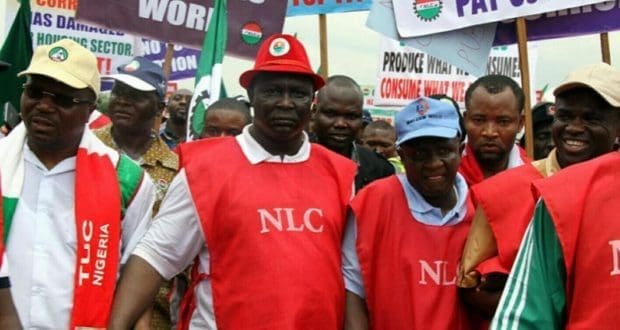

THE Nigeria Labour Congress (NLC) says it is not against petroleum subsidy.
Ayuba Wabba, the NLC President, during an interview on AriseTV, today, highlighted the dangers and negative ripple effects inherent in any removal of subsidy without the requisite infrastructure needed towards mitigation.
The unionist also blamed the authorities for angling to the buck of the burden to the average citizenry while reiterating the importance of fixing and upgrading the nation’s refineries.
Wabba said, “We have sufficient information and the issue can be addressed where everyone will benefit. The major issue now is oil theft, not subsidy removal or not. This menace has led to the inability to meet OPEC quota.
“If you remove subsidy without fixing refineries, the same issues will crop up. On daily basis, small and medium scale businesses are closing down and losing due to the price of diesel.
“We have done intensive research on what could be done and it is the inefficiency of our system to not fixing the refineries and it reeks of shifting the inefficiency to the citizens. This is a systemic challenge that needs to be fixed.
“In the other products, kerosene and diesel, is it affordable to the average Nigerian? These are the issues. In most of our villages, transporters contribute to the informal economy and they depend on this. We are not against subsidy removal but it must be on the basis of refining crude in Nigeria via fixing the refineries.”
He further alluded to an intentional sabotage of the system by some persons who accrue wealth from the importation of fuel and the moribund state of the refineries.
“Deliberately, some persons are not letting our refineries to work and the Nigerian ones are not bold; they can he fixed and upgraded. This is beyond the rhetorics of just removing subsidies.
“At all levels of negotiations in clear terms in agreements even in 2016, Kachikwu said the refineries will be fixed before 2022. Even former President Yar’Adua pledged to fix it but the issue is a lack of political will. The reason is due to the incentive associated with importation so don’t shift the burden to the citizens,” Wabba explained.
Earlier in the week, the Federal Government revealed it would spend N2.7 trillion more on fuel subsidy payment in 2023.
The Minister of Finance, Budget and National Planning, Zainab Ahmed, who disclosed this during the presentation of the 2023-2035 Medium Term Expenditure Framework and Fiscal Strategy Paper (MTEF-FSP) on Thursday in Abuja, said the government estimated subsidy payment would gulp N6.7 trillion.
Meanwhile, the Labour Party presidential candidate in the 2023 elections, Peter Obi, had said Nigeria must end petrol subsidy.
“Going forward, we must look for ways to move Nigeria beyond oil,” Mr Obi said in a series of tweets.
“We must end this criminality called ‘oil subsidy’.”
He said Nigeria is “vastly polarised and wrecked by divisions that run deep along religious, ethnic and regional lines.
“There is a staggering level of corruption. Our universities have remained closed for over five months. While our healthcare system remains comatose, power generation and distribution are also at an all-time low.”

