
VITAMIN E is a group of eight fat-soluble compounds best known for its antioxidant role in the body. Of the eight compounds, alpha-tocopherol best meets the dietary requirements of humans.
Benefits
Vitamin E plays many roles in the human body, one of the most important is the antioxidant effects, that is, protecting the cells from oxidative stress by neutralizing harmful molecules called free radicals. Other benefits shown by research include:
— May reduce the risk of heart disease by lowering LDL (bad) cholesterol and triglycerides levels.
— May improve some aspects of health in people with NAFLD (Non-alcoholic Fatty Liver Disease).
— May help manage people with dysmenorrhea, a condition characterized by severe and frequent menstrual pain.
— May improve skin and cognitive health.
— Promotes a healthier pregnancy.
— Supports proper immune function and cellular signalling.
Food Sources
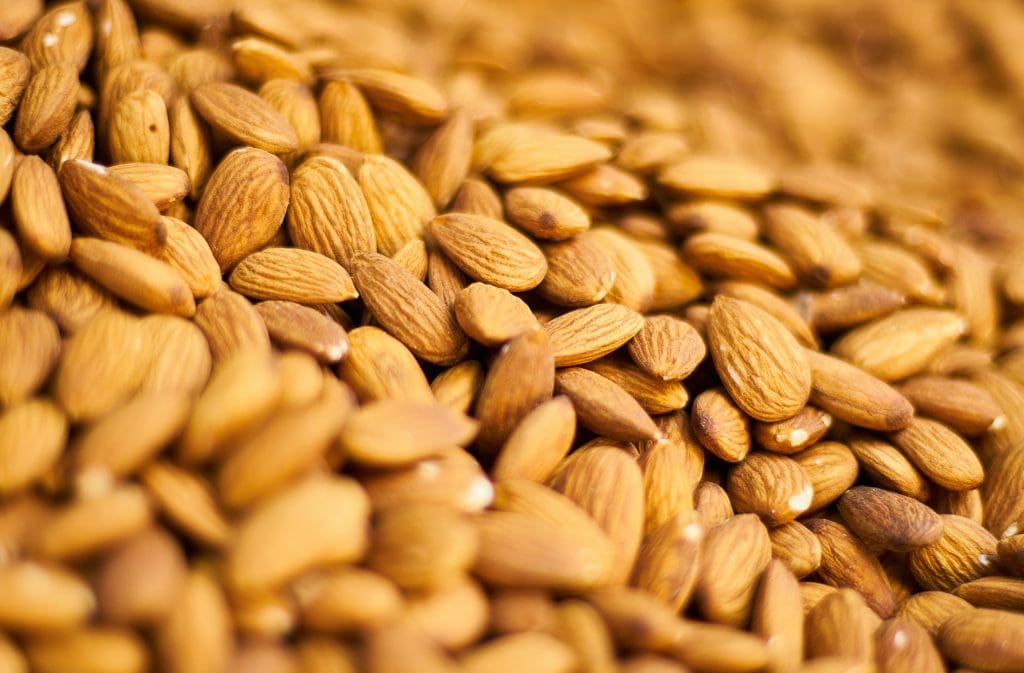
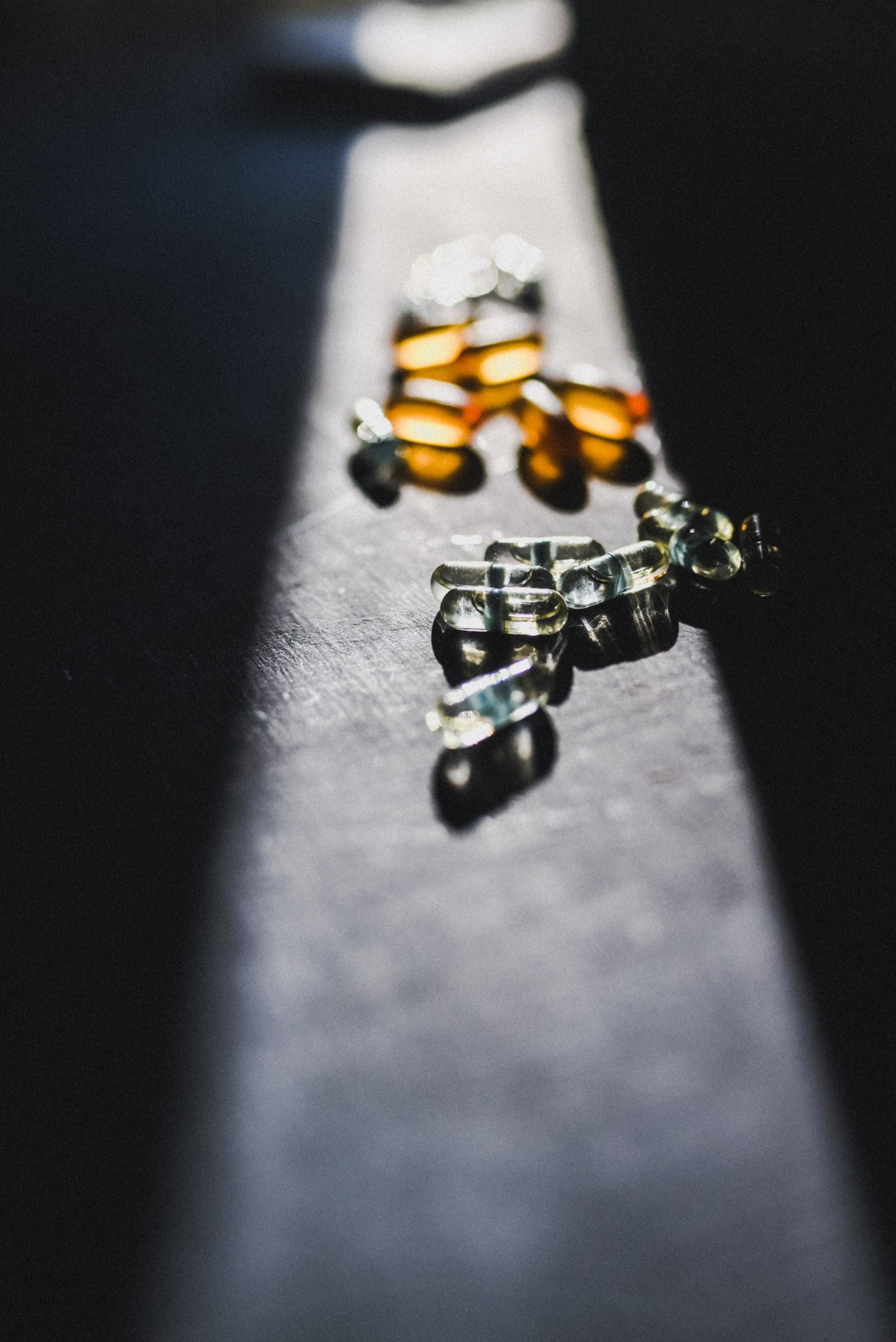
Some examples of foods rich in vitamin E are wheat germ oil, dry-roasted sunflower seeds and almonds, boiled spinach and broccoli, kiwi, mango, tomatoes, goose meat, peanuts, Atlantic salmon, avocado, rainbow trout, red sweet pepper, turnip green, snails, crayfish, lobster and more. It can also be got through supplements.
According to the NIH, the Tolerable Upper Intake Level (UL) for supplemental vitamin E is currently set at 1,000 mg per day.
It is possible to overdose on vitamin E supplements. Studies have shown that an overdose of vitamin E supplements may increase the risk of prostate cancer in healthy men, and high dose vitamin E supplements may also increase the risk of bleeding. It can also interact with certain medications like anticoagulant and antiplatelet medications, simvastatin and niacin, chemotherapy and radiotherapy drugs.
Overdose symptoms may include stomach pain, nausea, diarrhoea, dizziness, headache, tiredness, blurred vision, or tiredness.
Deficiency
Vitamin E deficiency is rare, but it is common in people with medical conditions associated with fat malabsorption, including cystic fibrosis and Crohn’s disease.
People at risk of developing vitamin E deficiency include those with insufficient dietary intake, such as children in developing countries and people with anorexia nervosa.
References:
Drugs.com
Healthline.
Images/Unsplash